This column was first published in Norwegian by Dagsavisen.
World leaders continue to bomb each other. The Epstein revelations are causing the image of Norway as a nation of peace to crack. But while we debate our faith in foundations and think tanks, a far larger team stands guard for peace—every single day and night.
With Norwegian taxpayers’ money, channelled through Norwegian organisations, locally led peacebuilding is supported in some of the world’s most vulnerable societies. Most peacebuilders live neither in Oslo nor Manhattan. They live where conflicts have left—and continue to leave—deep scars.
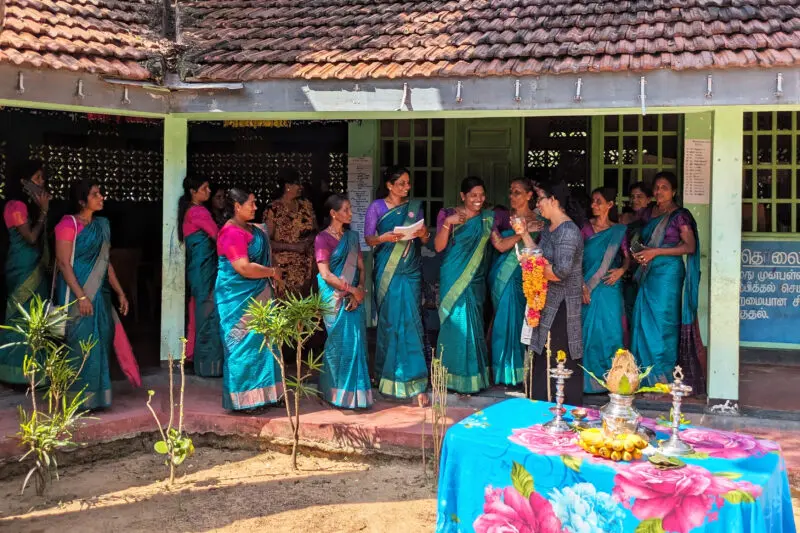
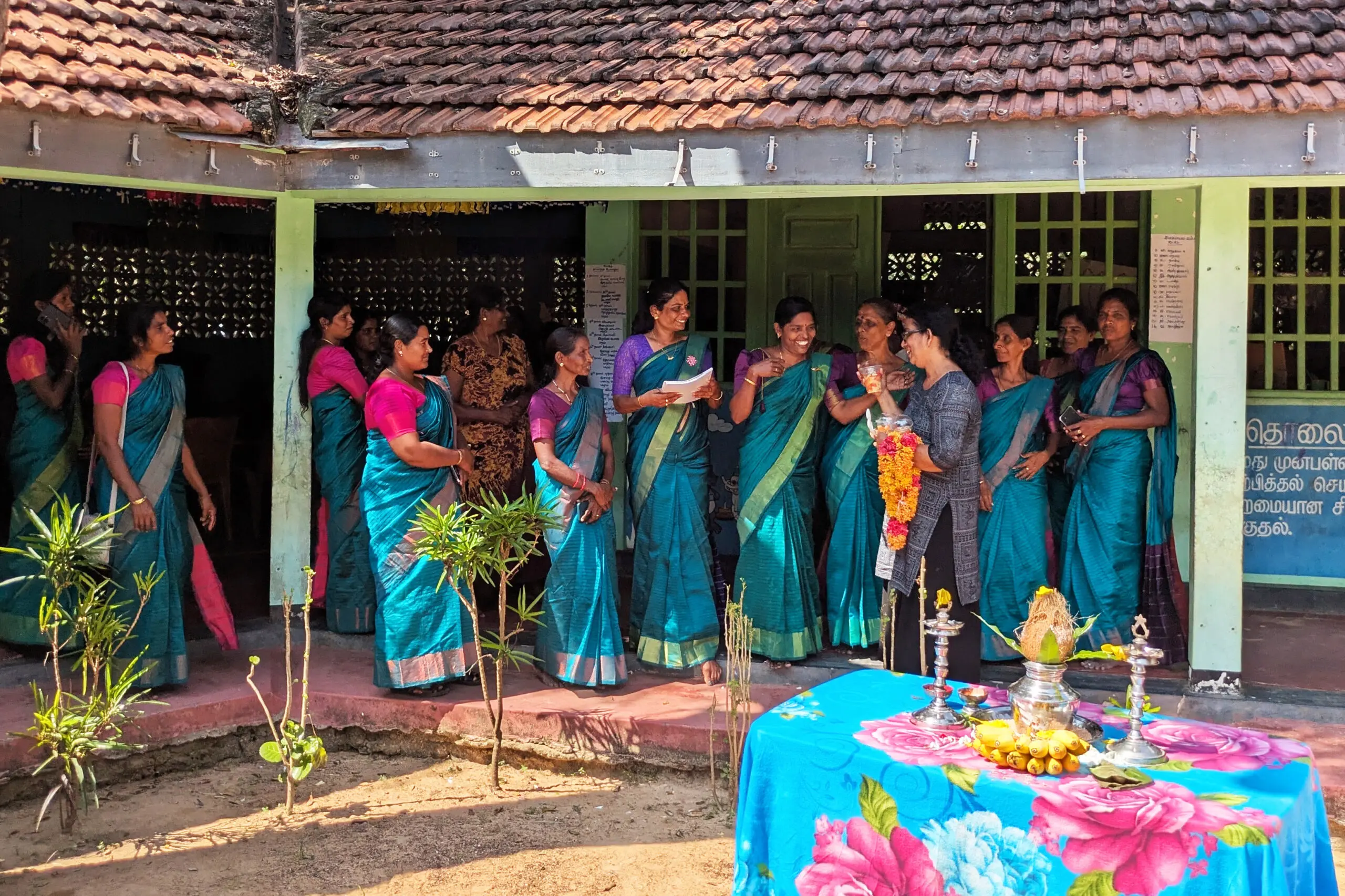
When the Norwegian peace negotiations in Sri Lanka collapsed, the headlines disappeared. But the peace work did not stop. At the grassroots level, women from both sides of the conflict continued to meet—in preschools and local communities—to build relationships and restore trust. Through a FORUT programme in Vavuniya, Tamil preschool staff still spend time working in Sinhalese preschools, and vice versa. In this way, the foundation is laid for children to grow up in a safer and more peaceful society than their parents did.
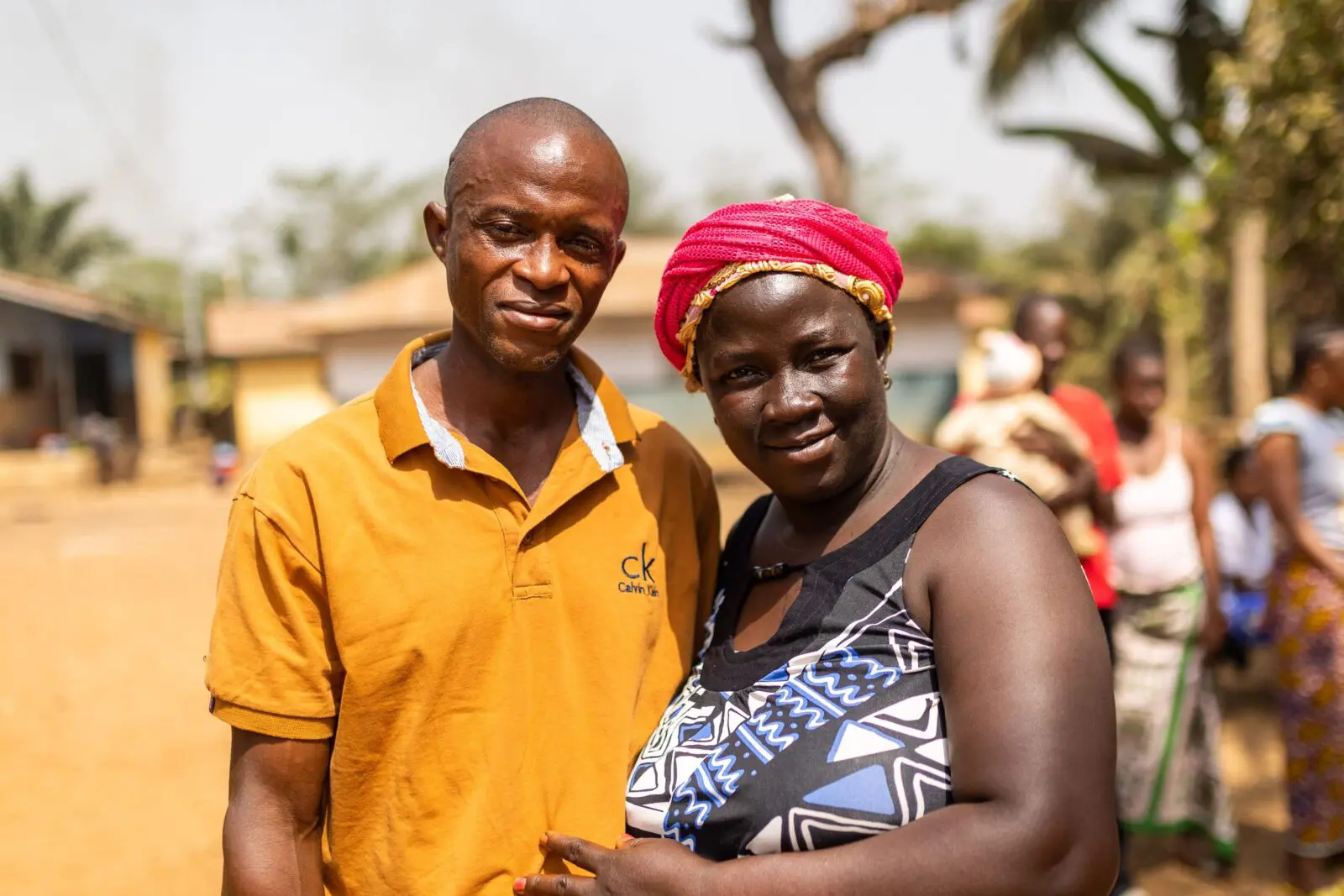
In Sierra Leone, a country shaped by a brutal civil war, peace is being built stone by stone. The programme “Living Peace” in Kailahun District brings families together to talk about how conflicts can be prevented and handled. The results are more than just fewer arguments. They include better mental health, less gender-based violence and safer conditions for children growing up.
Gender equality and peace are inseparably linked. Societies where power and rights are unevenly distributed are more vulnerable to conflict. When both women and men have equal rights to education, work and to be heard in their families and communities, a society’s ability to handle disagreements without violence is strengthened.
On International Women’s Day, it is worth remembering that many of those who carry out peacebuilding in practice are women. They organise against violence, create dialogue across conflict lines and challenge structures that keep people trapped in insecurity. They often do so without major platforms or international attention—but with great significance for their communities.
This is possible because there is a civil society that both cooperates with and acts as a watchdog over its own authorities. In countries that have lived through crises, war and conflict, a strong civil society is a prerequisite for lasting peace. Norwegian organisations support this work, and it is locally led and locally rooted.
Jan Egeland put it well in Morgenbladet recently: “Using millions of Norwegian aid kroner on foreign lobbying institutions was both un-Norwegian and unwise.” What is, however, a good Norwegian tradition is cooperation between government and civil society to build peace from the ground up. That model is very much alive—FORUT uses it every day.
If Norway is to remain a nation of peace, we must direct our attention to where peace is actually created. Not only at negotiating tables, but in preschools, families and communities where trust is built—slowly, but surely.
Most peacebuilders do not live in New York or Oslo. They live where peace is needed most—and they are the ones we should stand with.