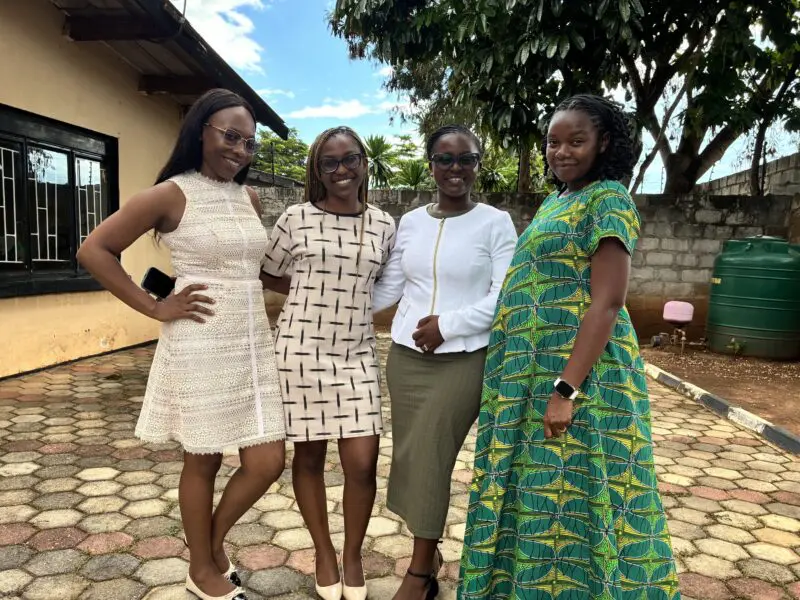
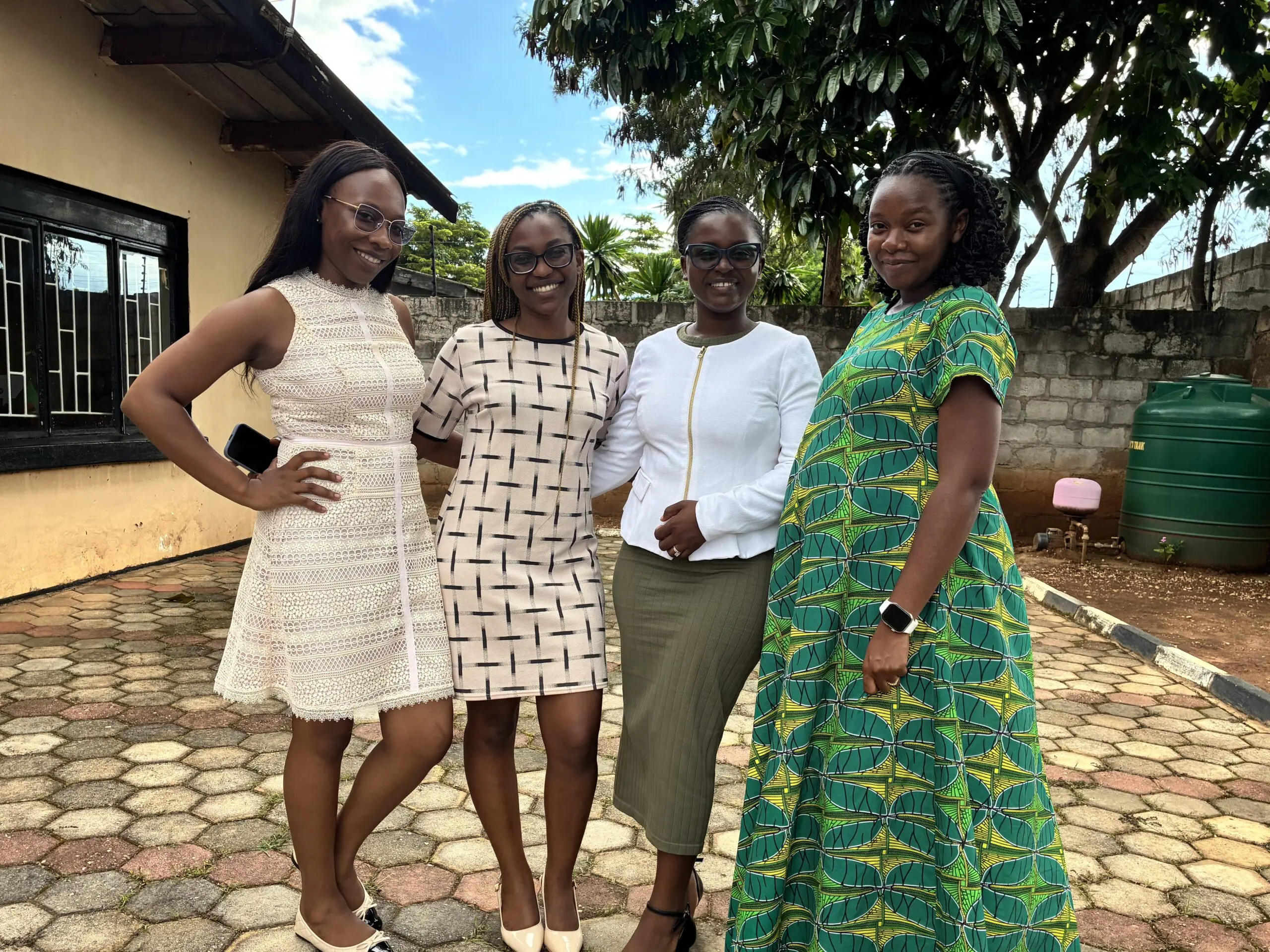
“This is about much more than politics. Gender issues are so personal to us,” says Bertha Chulu (27).
She is Deputy Chair of FORUT’s partner organization Young Women in Action (YWA) in Zambia, a rights-based organization run by – and for – young women.
Zambia is a diverse country, with 73 languages and at least as many cultures and traditions.
At the same time, Zambia is a patriarchal society, where men have historically held most of the power – and largely still do. Poverty and large social inequalities make the situation even harder for many girls and young women. That is exactly why Young Women in Action was founded.
Today, FORUT and YWA cooperate on prevention work and political advocacy for an alcohol policy that promotes public health – especially for women and girls.
Here, policies are shaped by those who have experienced injustice themselves. No one in the leadership is over 35 years old – it’s a rule.
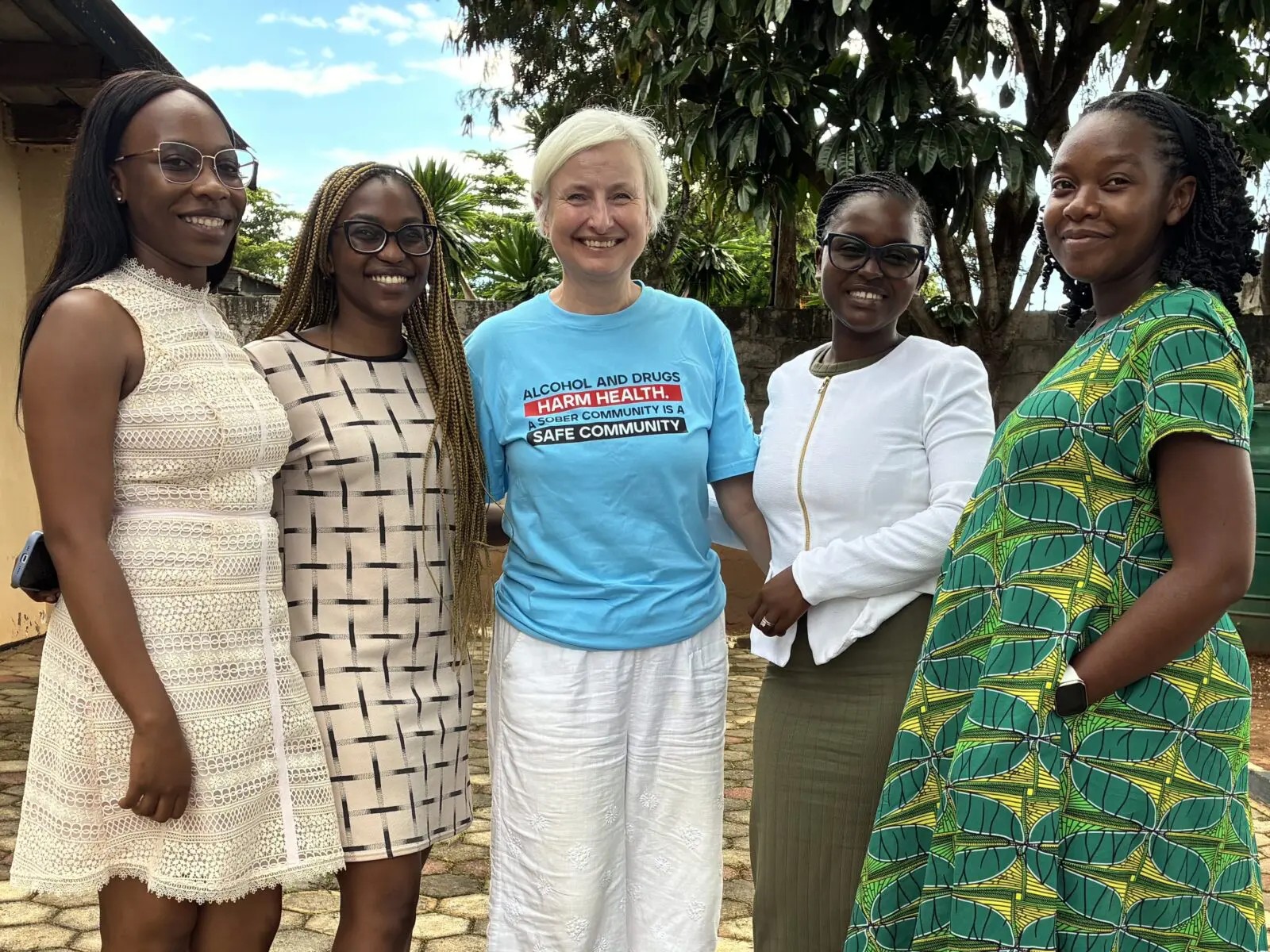
Four board members have taken time off to meet us at the office. They all work full-time elsewhere and spend their free time volunteering for Young Women in Action.
I feel both impressed and inspired speaking with these young women. I ask if they are willing to share their stories.
Why is the fight for equality so personal to them?
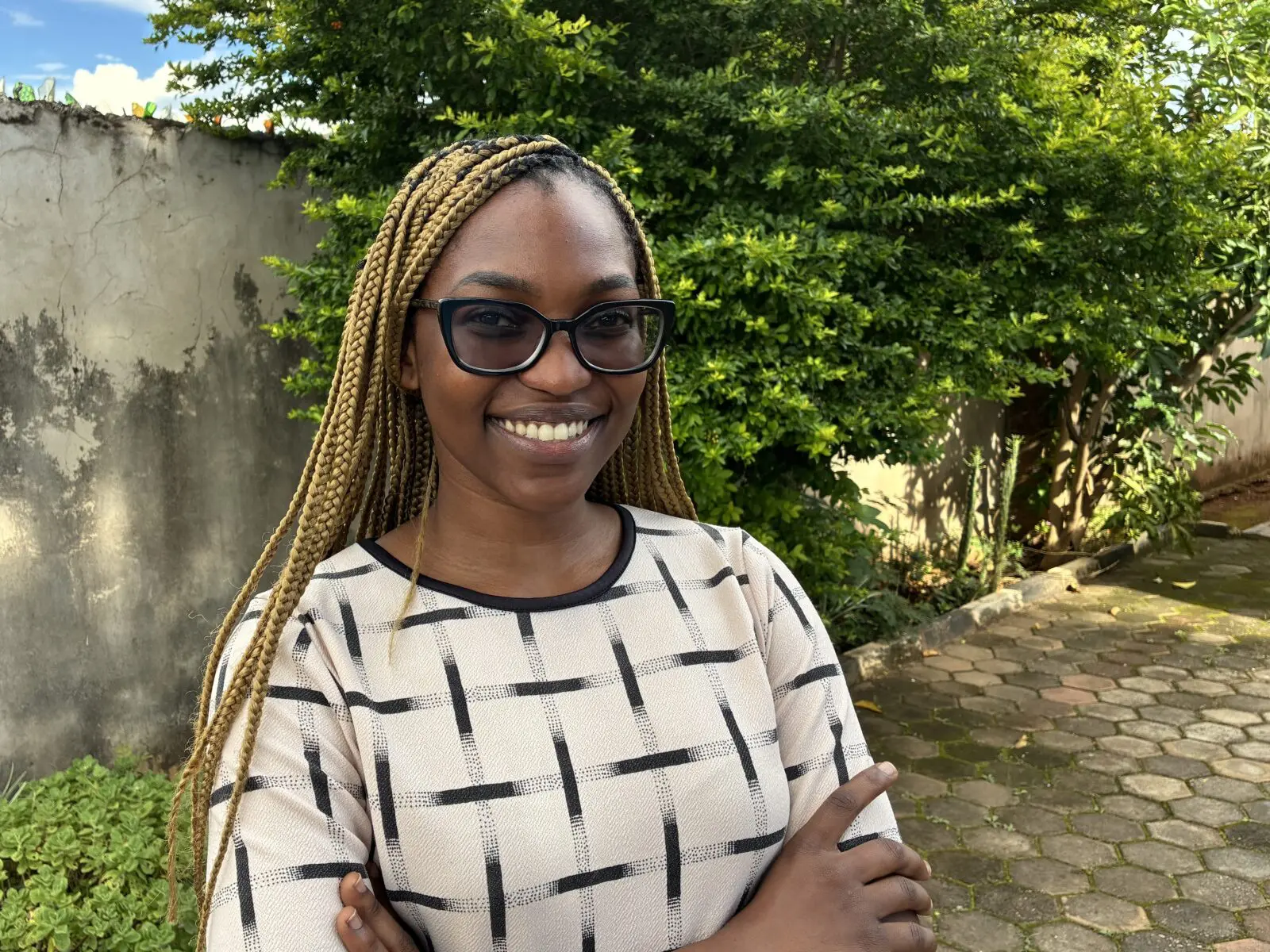
“I knew something was unfair”
The first to speak is Thokozile Banda (24). She is responsible for legal affairs on the board and works at Transparency International Zambia in the department that provides advisory and legal advice to citizens.
She begins with her childhood.
“I grew up with my grandmother and my extended family, and early on it seemed that my household duties were considered more important than my education because I was a girl. It was even said directly that a future husband would make life difficult for me if I wasn’t good at housework.”
“I remember resisting – I felt it wasn’t right that I should be treated differently because I was a girl. I saw that many Zambians were raised in the same way.”
Already at the age of 13, many girls begin disappearing from school due to early pregnancies, child marriages, or different forms of exploitation by adults, including so-called sugar daddies who provide money for food. Some girls are also subjected to sexual abuse by teachers or bus drivers in order to continue their education.
Worse to menstruate than to become pregnant?
“Of the 60 girls I went to secondary school with, only a handful managed to finish school and go on to higher education. It’s heartbreaking – authorities, schools and the police must do more to break this cycle of poverty for girls,” says Thokozile.
“If you become pregnant at 13, you have to provide food for your child, and school becomes even more out of reach.”
She also talks about a reality many rarely discuss.
“When you are poor and cannot afford sanitary pads or tampons, girls in some remote areas must sit under a tree during their menstruation so that the blood can run into a hole in the ground. For many girls, that is worse than becoming pregnant.”
“In addition to losing a week of school every month, they are exposed to infections and insect bites while sitting isolated under that tree.”
She concludes:
“That is why I joined YWA. I realized I had to join forces with other young women. We need a change in attitudes – among men and women, boys and girls, and in politics.”
It hurts my heart as much as it hurts Thokozile’s when she tells her story.
It is painful that basic human rights violations still prevent girls and women from having power over their own lives.
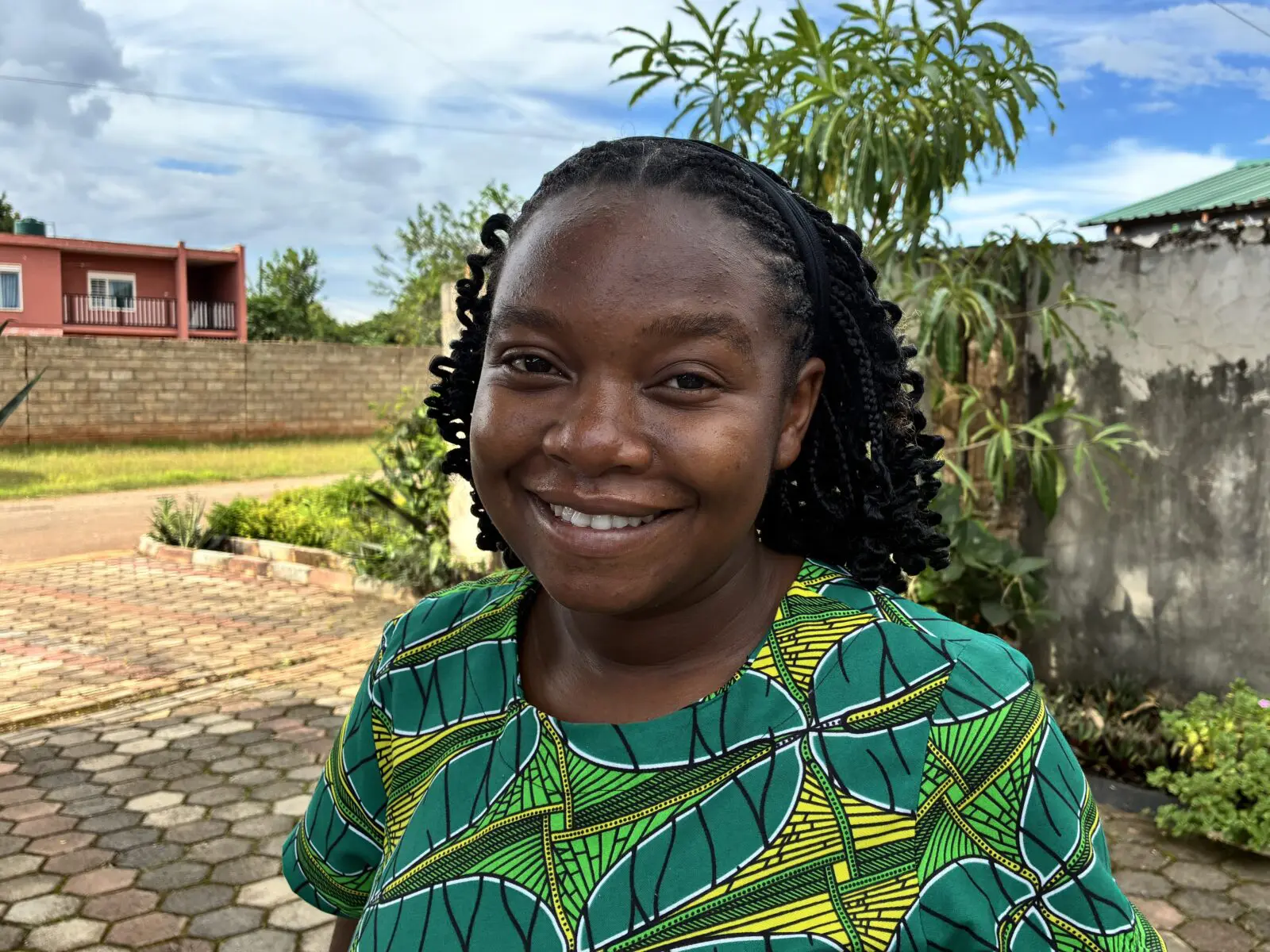
When decisions are made without women
Bertha Chulu (27), Vice Chair of the board, nods and says her background and story are very similar to Thokozile’s.
She works at the organization Healthy Learners as Advocacy and Government Engagement Coordinator. She describes herself as a passionate global health enthusiast.
“That’s why it has been so painful to realize that all major global health policy decisions are made by men, while most health workers on the ground are women.”
She continues:
“All the pictures used to illustrate global health challenges usually show women – but they are not present in the rooms where decisions are made. That makes me angry.”
Bertha is also concerned about workplace discrimination, where many women face a difficult dilemma: choosing between having children or pursuing a career.
“Do we really have to choose?”
The others nod in recognition.
She explains that young women who manage to get a job often face serious discrimination when they become pregnant and go on maternity leave.
Politics is no different. Only 15 percent of members of parliament in Zambia are women.
“It seems easier to pass a gender equality law than to actually make space for more women. There is so much hypocrisy. That’s why I’m part of YWA.”
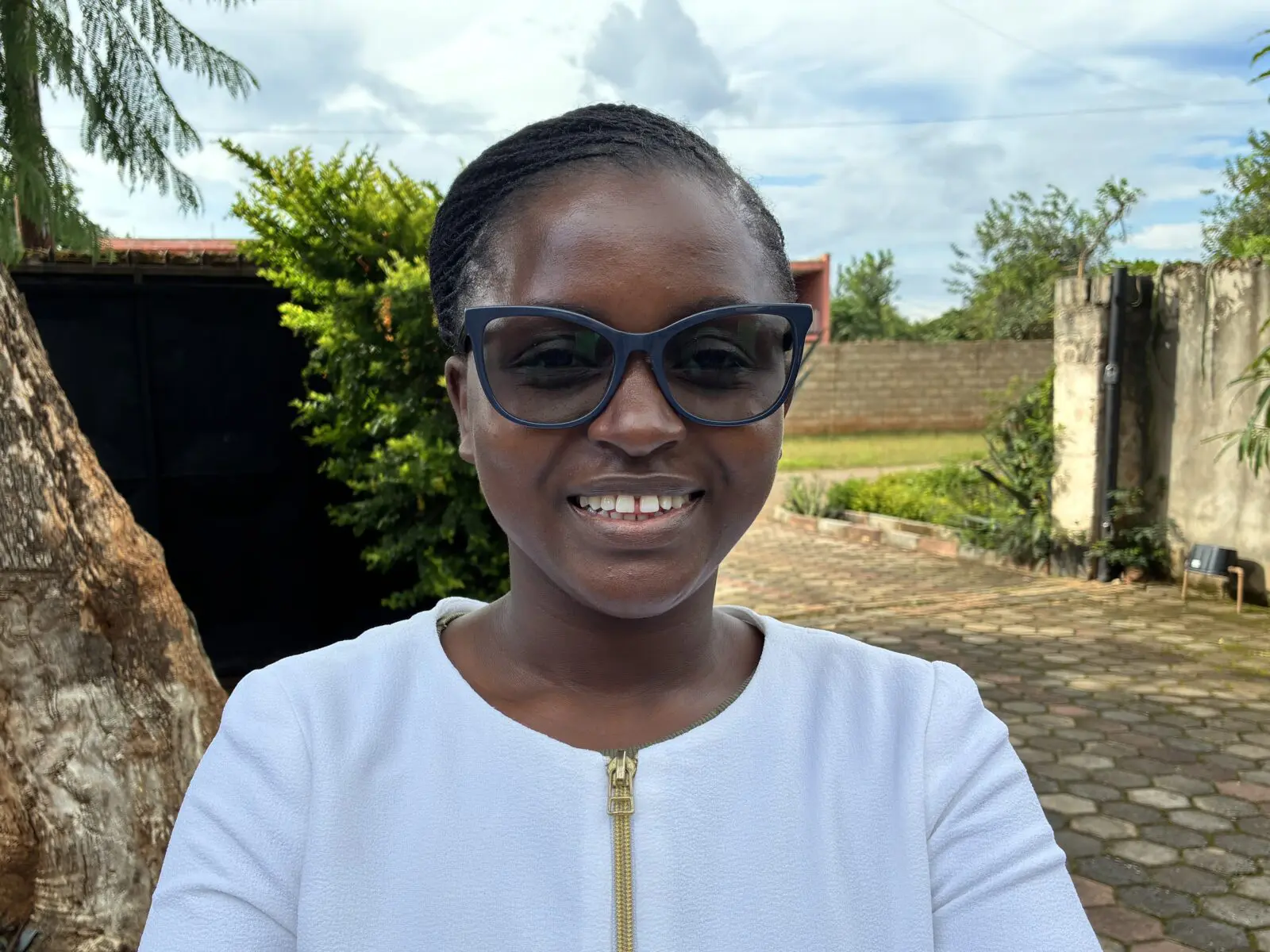
Losing – and finding – your voice
Dorcus Chifunda (27) is the Board Publicity Secretary for YWA and works at Strong Minds as a People and Executive Assistant in HR.
But it wasn’t the career she dreamed of as a young woman.
She first pursued mathematics and IT – fields dominated by men.
“This is not a space for women,” was the attitude she encountered during her studies and early working life.
“I really wanted to work in IT,” says Dorcus.
“But in meetings, when someone asked who knew about technology, I shrank. I never dared to raise my hand. I didn’t believe I was capable – and I gave up that career path.”
Instead, she found her calling in human resources.
“I’ve worked to ensure that both men and women have equal opportunities and receive recognition for their competence. Contributing to fair workplaces and supporting other people’s growth – that feels like a victory.”
She smiles.
“And now I dare to speak publicly again. I feel that I have regained my career, my confidence, and my voice.”
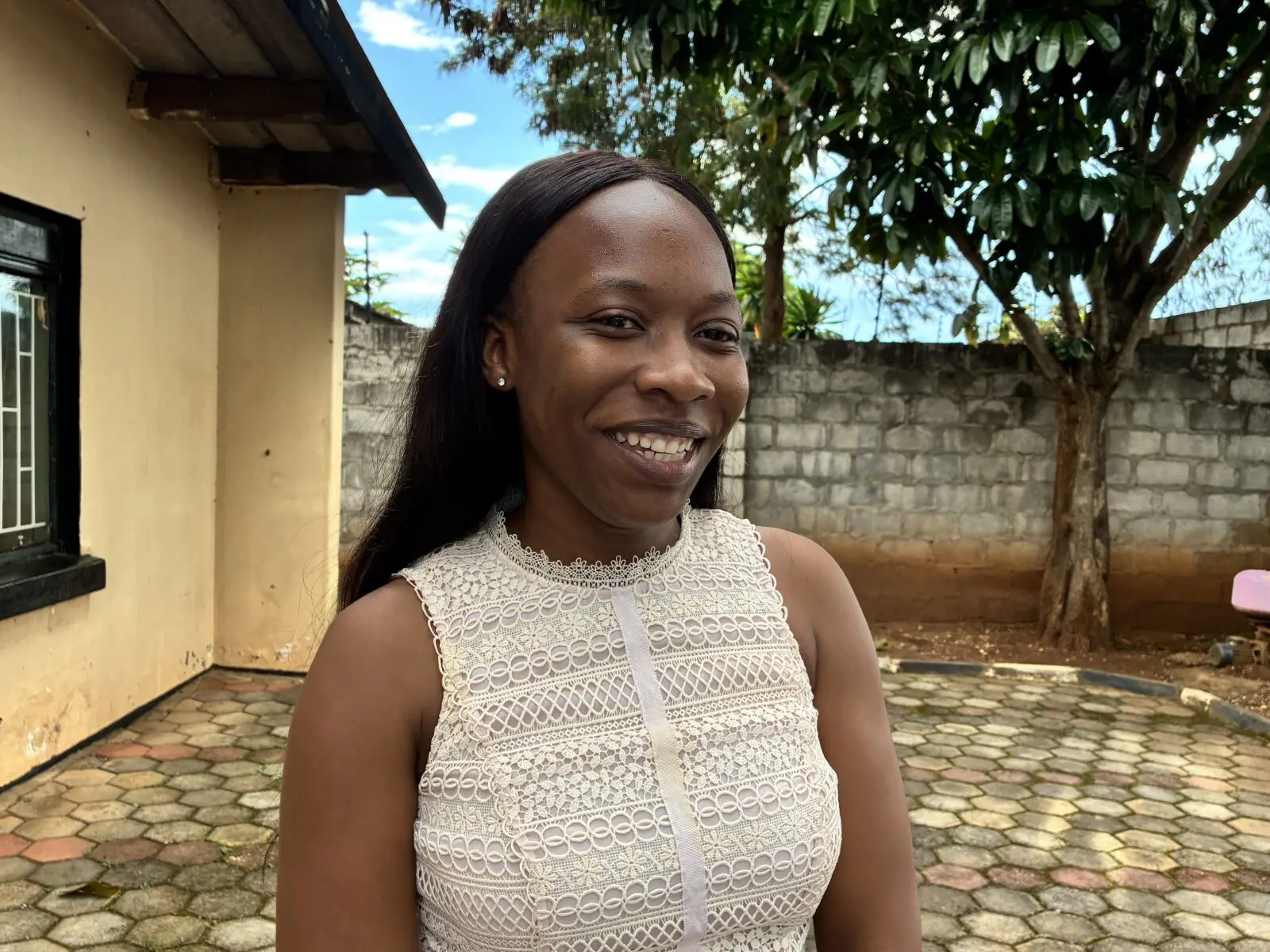
A shared pain
Nalishebo Siambo (27) is Chair of the YWA board and works as an Operations Officer at LOLC Finance.
She has listened to the others before she begins.
“I recognize their pain. It’s a shared pain. And we rarely take time to talk about it.”
Her own story also begins in childhood.
She is inspired by her mother’s story. Her mother was still in school when she became pregnant. As one of eleven siblings, all the brothers were allowed to finish school, while the daughters had to take responsibility at home.
As Nalishebo grew up, she saw the same pattern everywhere.
Girls had to do housework before going to school. Boys did not.
Girls walked. Boys got bicycles.
By the time the girls arrived at school, they were exhausted.
“Many of them fell asleep in class from exhaustion,” says Nalishebo.
“To witness this! That is what makes this fight personal. It’s as if girls are expected to shrink, while boys are expected to stretch further.”
Joining YWA was her way of acting on her dreams.
“I dream of empowering young women.”
“All of us on this board are under 30. We are part of the change we want to see. Here, I am an actor, not a recipient. I truly love the space I have been allowed to take.”
Advice for mothers
There have been tears during the conversation.
I am deeply moved – both by their stories and by how much it affects them to share them.
I think about the responsibility I carry myself and ask the young women something personal.
I tell them that I am the mother of two sons and ask what they think I should teach them.
Thokozile speaks first.
“My best advice is to teach your sons to be considerate and understanding, and that girls’ challenges should not be trampled on, silenced, or hidden away in the bedroom.”
She adds that many men treat their mothers well, but not their girlfriends or wives.
“Teach your sons to treat all women well – not only their mothers. And teach children to speak up when they see injustice. Otherwise, they are part of the problem.”
Bertha agrees.
“Mothers should encourage their children to think beyond gender – to recognize injustice and keep an open mind.”
Dorcus believes mothers must also prepare their sons for a changing world.
“When we succeed in achieving gender equality, many talented girls will compete for the same jobs – and boys must understand that they have to work just as hard to succeed.”
Finally, Nalishebo says:
“The world can be harsh. The most important thing mothers can do is give daughters a safe place where they are loved and valued.”
“And teach your sons this: they have a responsibility to make the space around their sisters, friends, and partners safe.”