


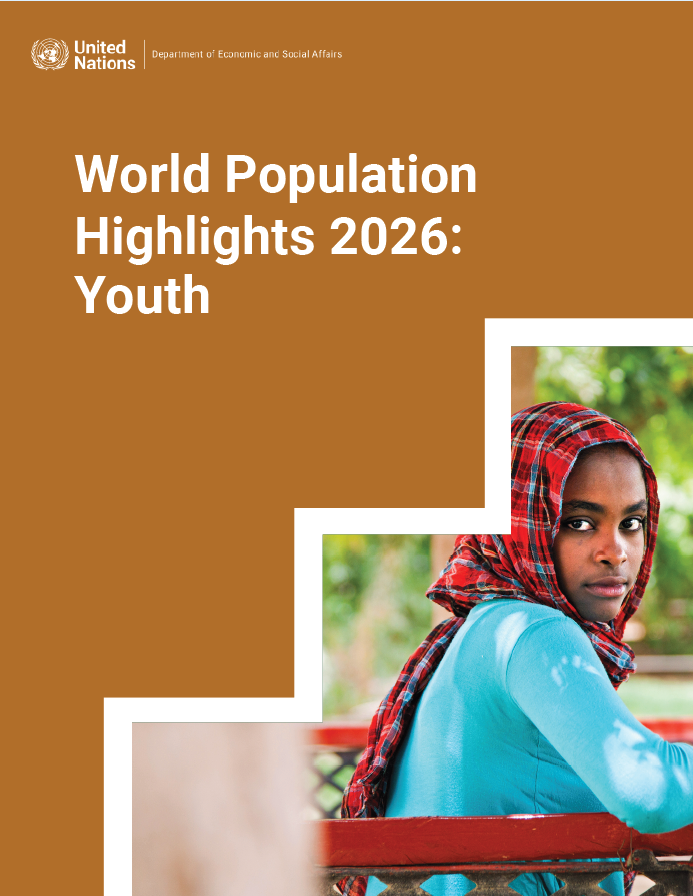
This UN report underscores profound global inequalities shaping young people’s health, safety, and rights, with the greatest challenges concentrated in low‑ and lower‑middle‑income countries. Child rights violations remain widespread: child marriage still affects one in five young women globally, perpetuating cycles of poverty, limiting education, and increasing risks of early pregnancy, maternal mortality, and gender‑based violence. Such violations undermine both autonomy and long‑term wellbeing, reinforcing structural barriers that FORUT’s child rights programme seeks to address.
Alcohol use emerges as a critical youth health threat. Although drinking has declined in some high‑income countries, harmful use is rising in many LMICs due to pervasive marketing, affordability, and weak regulatory enforcement. Early alcohol initiation heightens risks of addiction, accidents, interpersonal violence, and poor mental‑health outcomes—areas central to FORUT’s alcohol‑harm prevention objectives.
Mental health challenges now affect one in six youth worldwide, with depression, anxiety, self‑harm, and suicide increasingly prominent. Digital pressures—including cyberbullying and algorithm‑driven content exposure—intensify emotional distress. The report links mental‑health vulnerabilities to social determinants such as poverty, gender inequality, inadequate services, and substance use.
Overall, it calls for rights‑based, multisectoral strategies integrating child protection, alcohol‑harm reduction, and accessible mental‑health support to safeguard youth wellbeing and enable full participation in society.
Recommended citation:
United Nations (2026). World Population Highlights 2026: Youth. UN DESA/POP/2026/TR/NO. 13. New York: United Nations.