A decade after the 2015 earthquakes, child psychiatry services built with Norwegian support will become fully integrated into Nepal’s public health system.
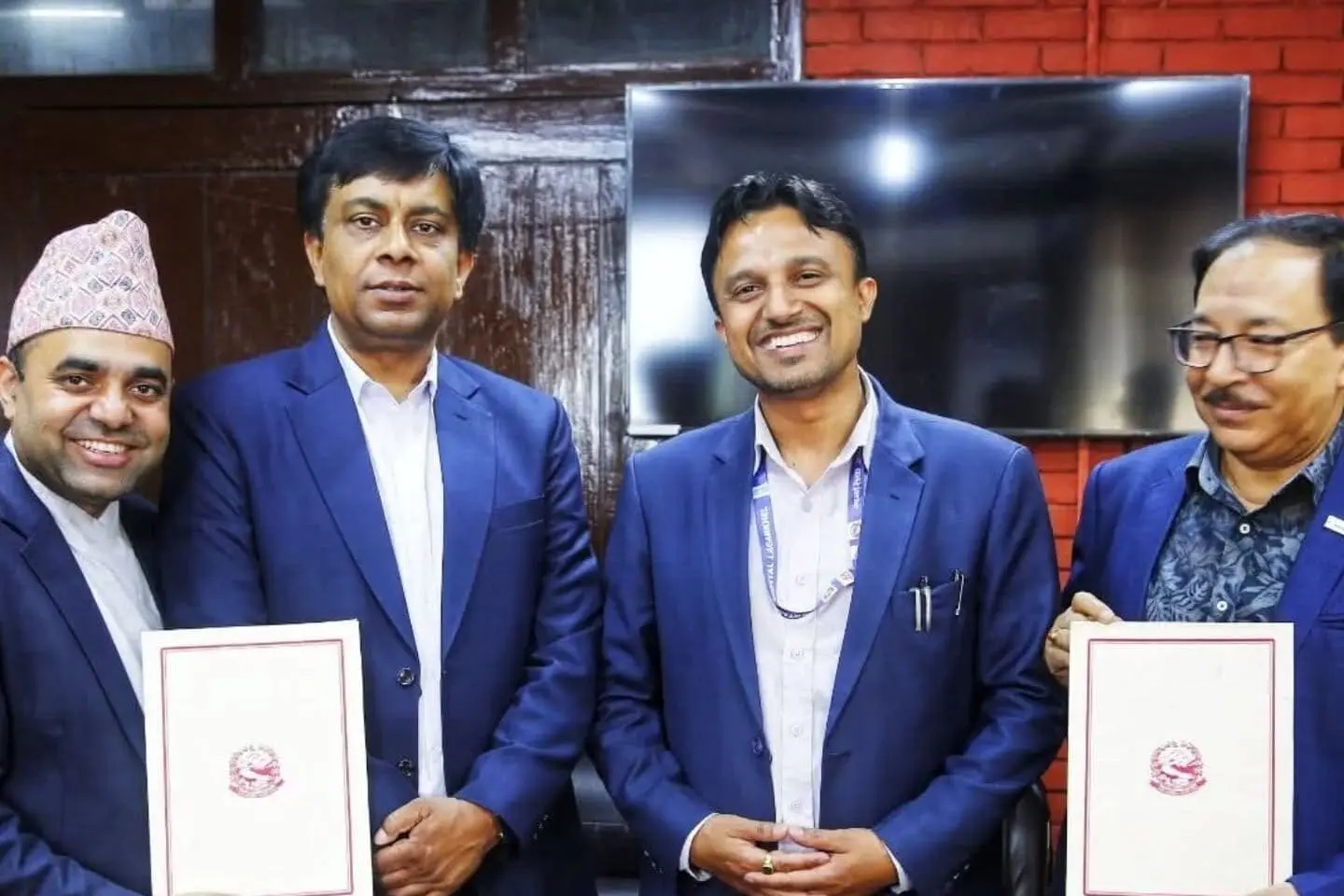
In a significant step for child and adolescent mental health in South Asia, the Government of Nepal has signed an agreement to gradually assume full financial responsibility for specialised Child and Adolescent Psychiatry and Mental Health Units at two major public hospitals in Kathmandu.
The agreement, signed between Nepal’s Ministry of Health and the Nepali NGO Child Workers in Nepal (CWIN-Nepal), marks the culmination of a ten-year effort to build a national child mental health system in partnership with the Norwegian NGO FORUT, Norwegian mental health specialists, private donors in Norway, and Norad – The Norwegian Agency for Development Cooperation.
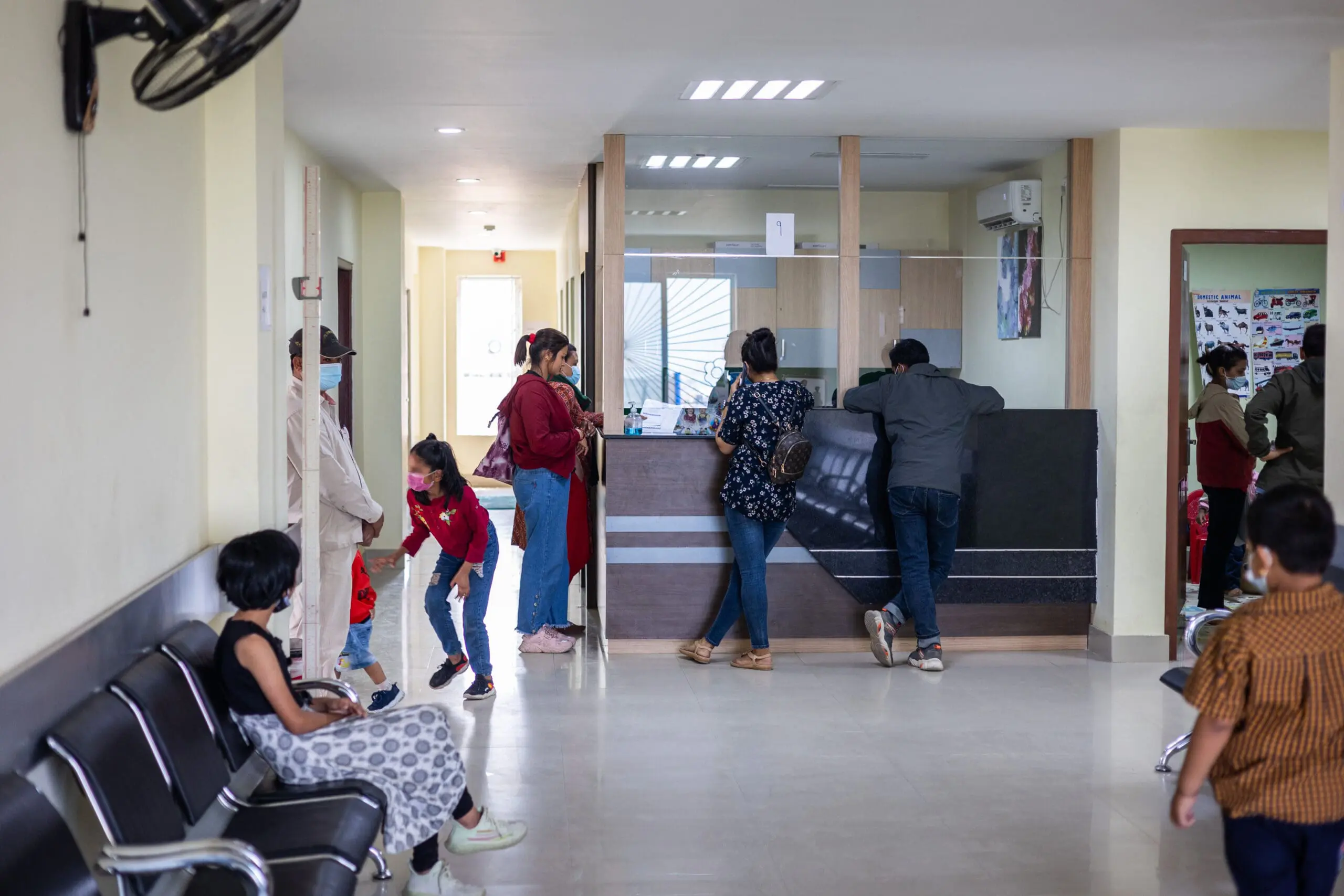
Beginning 16 July 2026, the Government of Nepal will gradually take over financial responsibility for the units at Kanti Children’s Hospital and Mental Hospital, Lagankhel. The transition will be completed by 15 July 2028, after which the units will be fully integrated and operated as part of Nepal’s public health system.
From Earthquake Response to National System
Following the devastating earthquakes of May 2015, Nepal faced an urgent and largely unmet need for mental health services — particularly for children and adolescents affected by trauma.
At the time, Nepal had no established child psychiatry services in its public health system. In response, CWIN-Nepal, supported by FORUT and Norwegian specialists, recruited Nepal’s first child psychiatrist to work in a small room at Kanti Children’s Hospital.
Ten years later, that modest beginning has evolved into a comprehensive, highly qualified team of mental health professionals working across two public hospitals in Kathmandu — forming the backbone of Nepal’s emerging child mental health infrastructure.
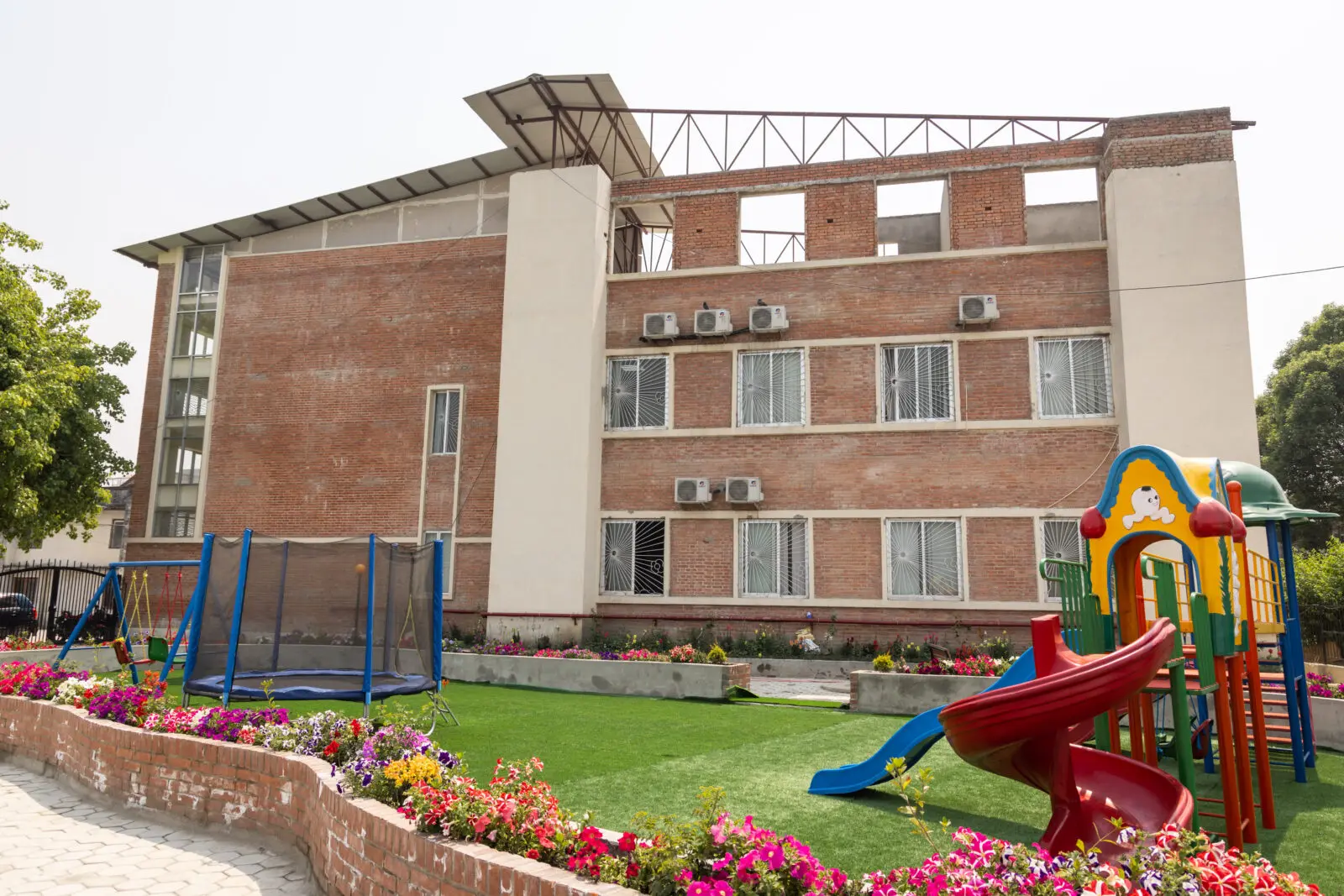
The development of the units was made possible through funding from private Norwegian donors, who financed the construction of Nepal’s first dedicated child psychiatric clinic at Kanti Children’s Hospital, and through long-term support from Norad to strengthen institutional capacity and expand services.
Health System Strengthening
The new agreement represents a transition from donor-supported services to nationally owned public healthcare.
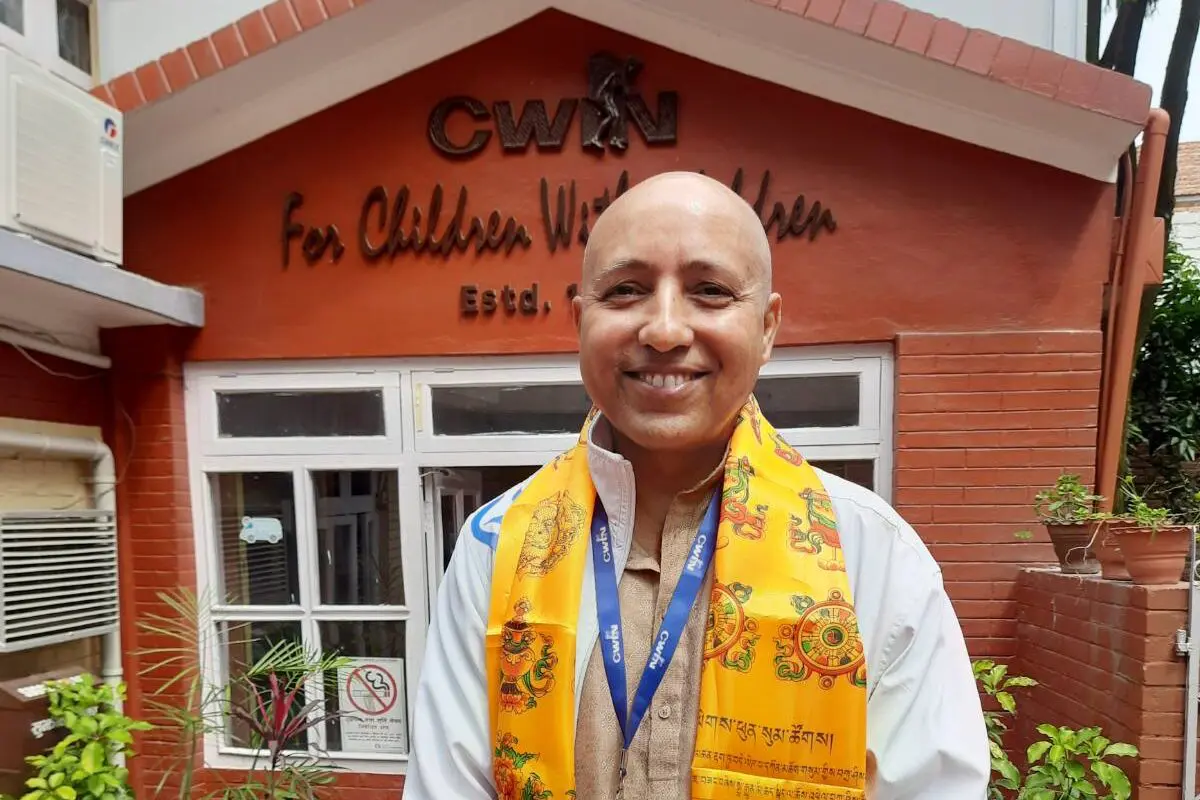
“The signing of the MoU between CWIN and the Ministry of Health represents a major milestone in strengthening systems that support the mental health and overall well-being of children in Nepal,” says Kumar Bhattarai, Executive Director of CWIN-Nepal.
“This agreement officially embeds child mental health within the national health framework, laying the foundation for sustainable mechanisms and stronger government leadership in ensuring quality mental health.”
He adds:
“This achievement is the outcome of years of dedicated advocacy, collaboration, and capacity-building. It reflects the strong trust and shared commitment among CWIN, FORUT, and the Government of Nepal to promote a child rights–based approach within the public health system. We believe this initiative will drive lasting and systemic change in how Nepal addresses the mental health of its children.”
FORUT and CWIN-Nepal will continue to expand community-based mental health services nationwide, while the hospital-based units become fully government-operated.
Building Resilience Beyond Crisis
Integrating mental health into development and humanitarian efforts is increasingly recognised as essential for building resilient individuals, stronger communities, and sustainable long-term progress.
As countries across Asia grapple with growing mental health needs among young populations, Nepal’s model demonstrates how post-disaster recovery efforts can evolve into long-term structural reform.
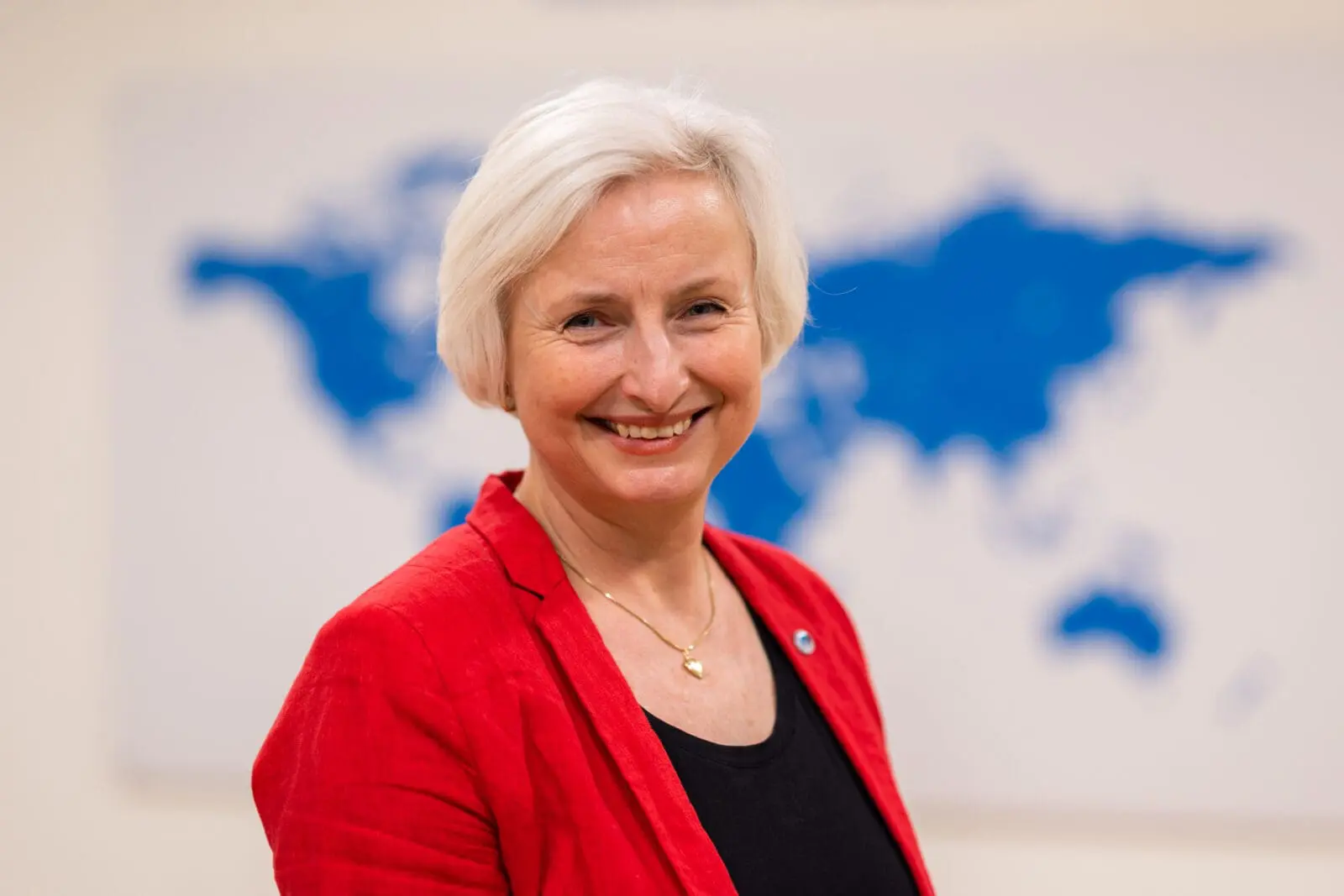
”The Nepal partnership offers a concrete example of how international aid, local civil society organisations, and government institutions can collaborate to establish sustainable public services — beginning with philanthropic and donor funding, and ultimately transitioning to full national ownership” says Ida Oleanna Hagen, Secretary General of FORUT.
”Norad congratulates FORUT, CWIN, and the Nepali government on this milestone in strengthening Nepal’s health system and MoH’s leadership in mental health”, says Stine Nicoline Kleven Horn, Director of the Department for Human Development at Norad.
She adds:
”This achievement reflects many years of dedicated effort and demonstrates how early involvement and cooperation can support long‑term national ownership. The transition to fully government-operated hospital units, alongside the expertise developed, is vital for expanding community-based mental health services nationwide.”
About CWIN-Nepal
Child Workers in Nepal Concerned Centre (CWIN-Nepal) is a leading child rights organisation working to protect and promote the rights and well-being of children across Nepal.
About FORUT
FORUT is a Norwegian development organisation working internationally to promote child rights, prevent mental health problems and alcohol-related harm, and strengthen community-based systems that create safe environments for children. FORUT works with partners in the Global South, such as CWIN-Nepal, to support locally led development.