The flood disaster in Nepal on 26 August left many children without family members, friends and homes. FORUT’s partner CWIN has so far provided psychosocial support to nearly 3,000 children and young people in the affected areas.
Classes had only just begun when the school building started to shake. Samarat, a Child club president in Rasuwa district in northern Nepal, first thought it was an earthquake.
«We ran outside. From our school we could clearly see the river below us. Suddenly the flood wave came. Everyone started crying and screaming, because we were thinking of our parents and family members who were somewhere else. Some were at work, some were at the market, and some were elsewhere down in the valley,» says Samarat.
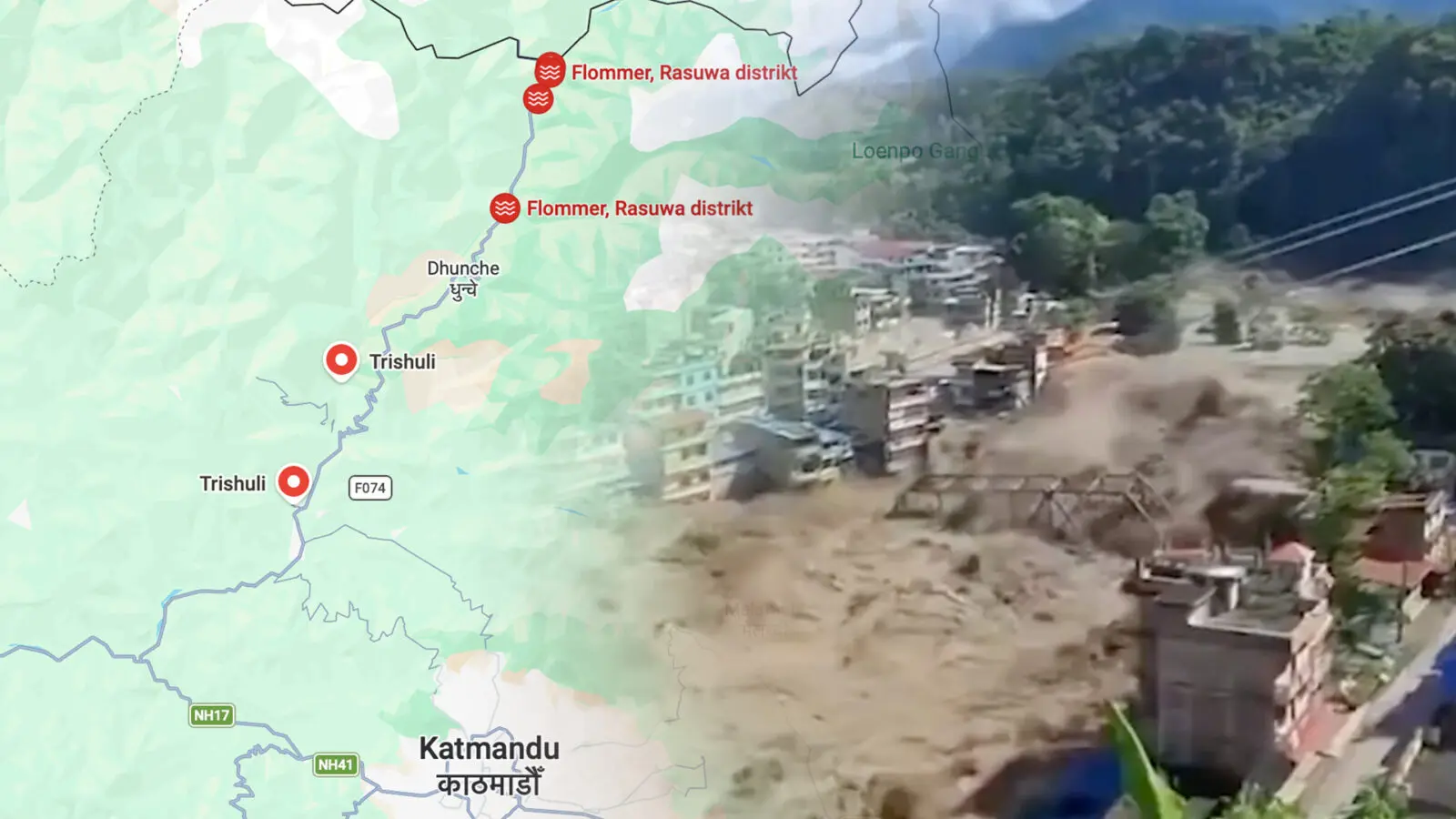
The shaking came from a massive avalanche of ice and rock high up in the mountains on the border with Tibet. The avalanche was so powerful that it registered as an earthquake, and it sent a wall of water, mud and rock rushing down the valley.
From Samarat’s neighbourhood alone, nine people were swept away by the flood, and his uncle’s house is gone.
«When we saw the flood, we couldn’t grasp how big it was or how fast it was coming towards us.»
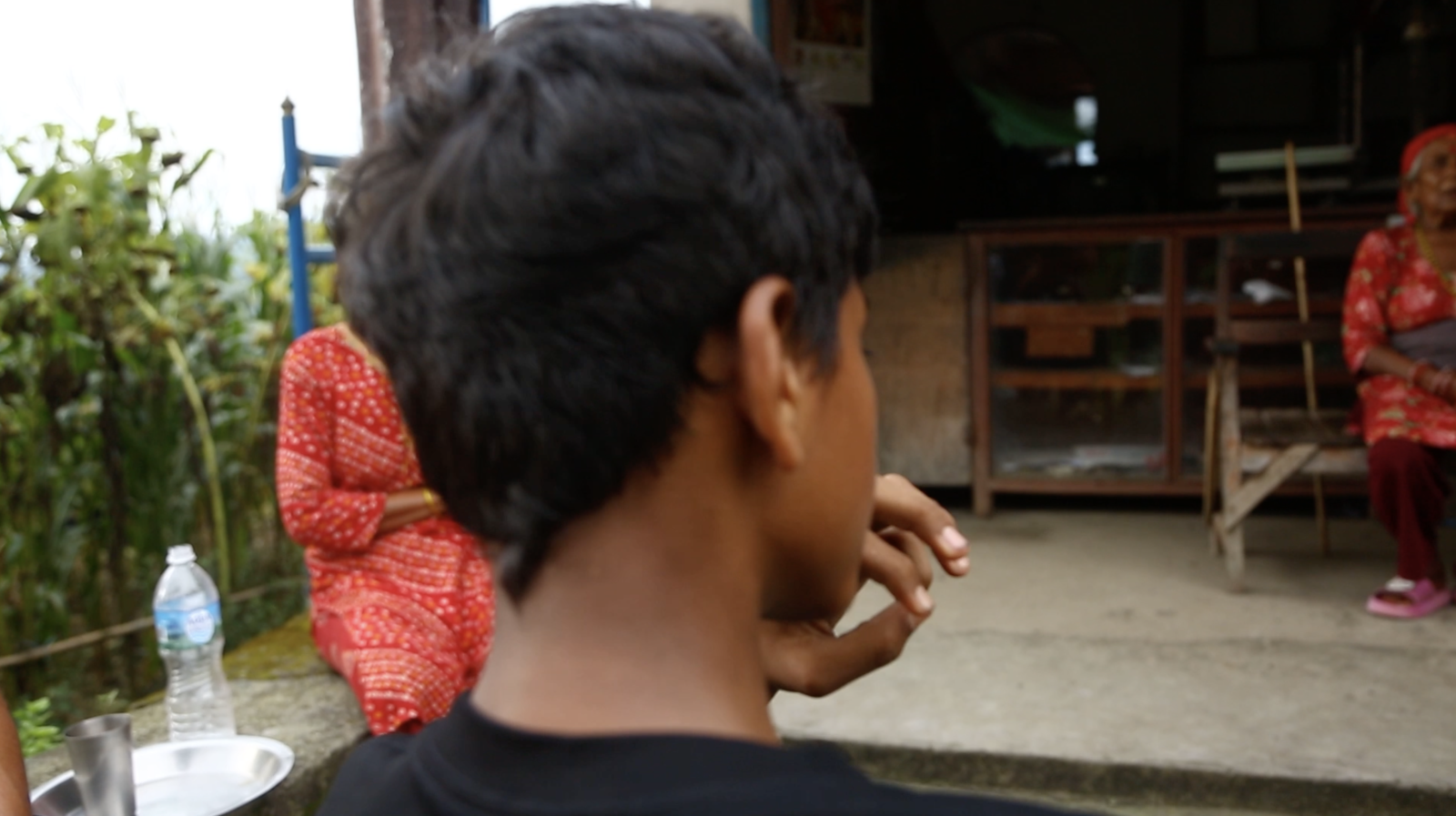
Samarat lost neighbours in the flood. He does not wish to show his face or share his full name. Photo: Ramita Chhuju, CWIN
Lost everything in minutes
As of 20 September, the Nepali authorities had recorded more than 1,450 deaths, and over 6,000 people were still missing. Homes were torn away in a matter of minutes. Many lost parents, children, siblings and friends, and some lost their entire families.
Bam from Rasuwa was in Kathmandu when he heard the flood was on its way. He managed to call home.
«I warned them that a huge flood wave was coming and that they had to get to higher ground. That was all I was able to say. They didn’t answer when I called them afterwards. I kept trying for an hour, until my phone died,» he says.
Bam lost his wife and their two daughters, aged two and four.
At a primary and secondary school in Rasuwa, many of the desks stand empty. Here the students are divided into two groups, and the oldest students were on their way to school when the flood wave struck.
«The students from grade seven to twelve who usually walk to school lost their lives that day. More than 200 students are dead or missing,» says head teacher Madhav Lamichhane.
When the water recedes
For the children who survived, the disaster is far from over once the water has receded. Many are now living in temporary shelters, without their homes and often without the adults who make them feel safe.
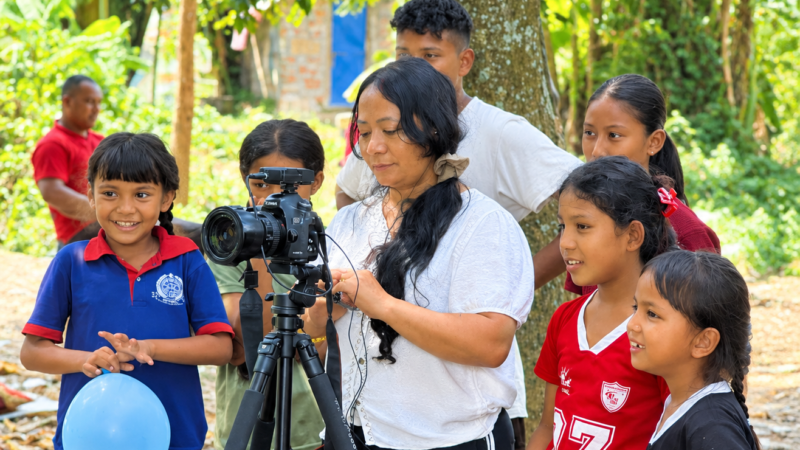
FORUT’s partner CWIN Nepal provides psychological first aid to children and families in the affected areas. Psychologists and psychosocial teams travel around with play kits, activities and time to talk.
So far they have reached nearly 3,000 children and adolescents. More than 40 recreational kits have been sent out with the teams, and over 600 dignity kits have been distributed to children and adolescents in five differend districts.
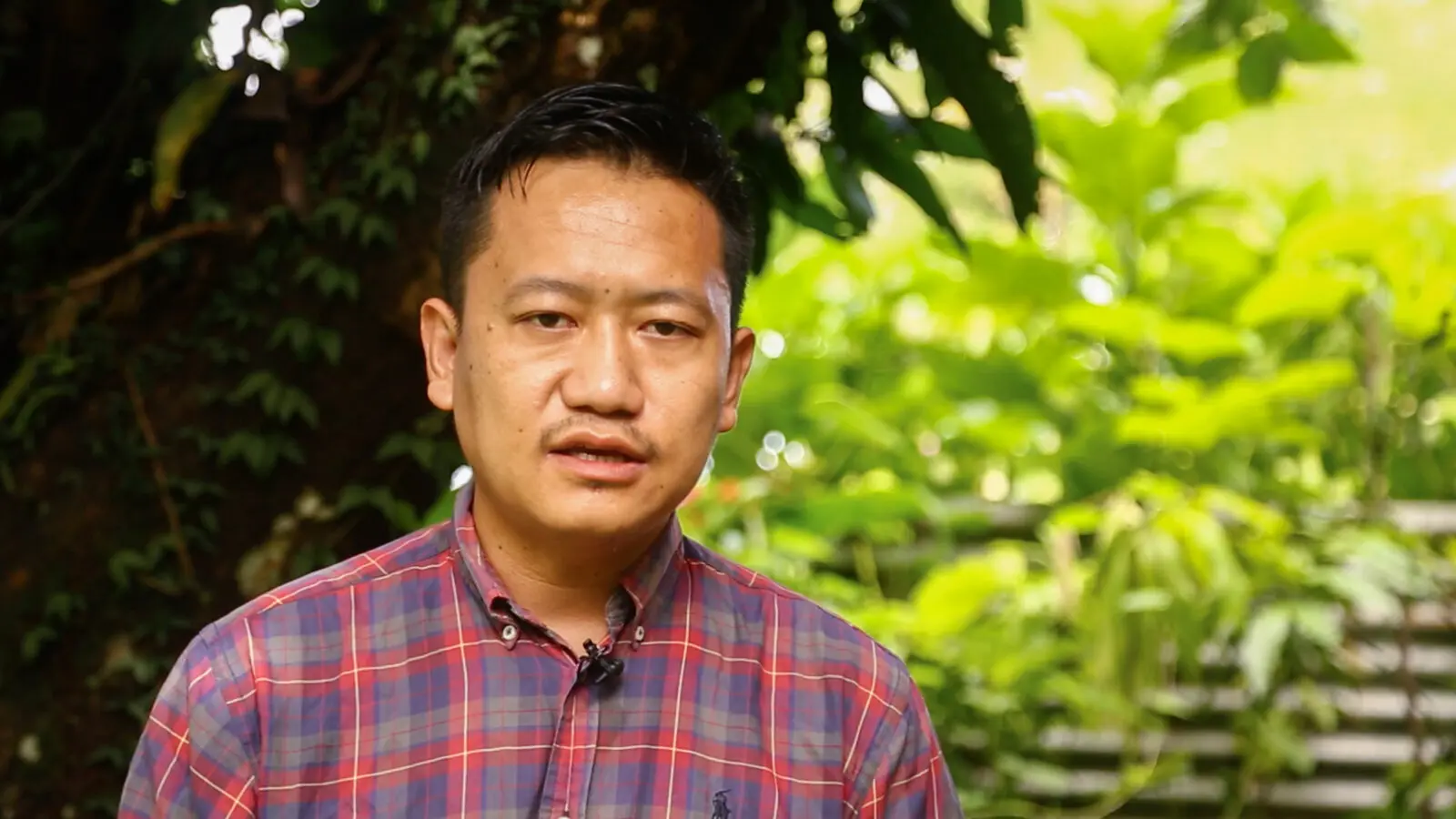
Dr Ghanashyam Rai. Photo: Ramita Chhuju, CWIN
Child psychiatrist Dr Ghanashyam Rai from CWIN is working in the field in Bidur, Nuwakot district.
«Conditions here for children, young people and others who have been affected are not good. People are living in shelters, and we are currently following up 27 of these centres. Some children have lost their parents, others have lost people close to them. Everyone is in a traumatic state,» says Rai.
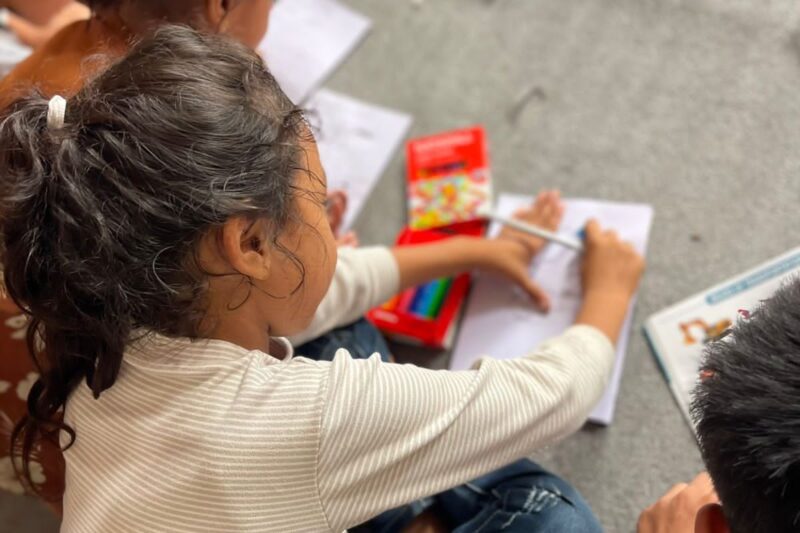
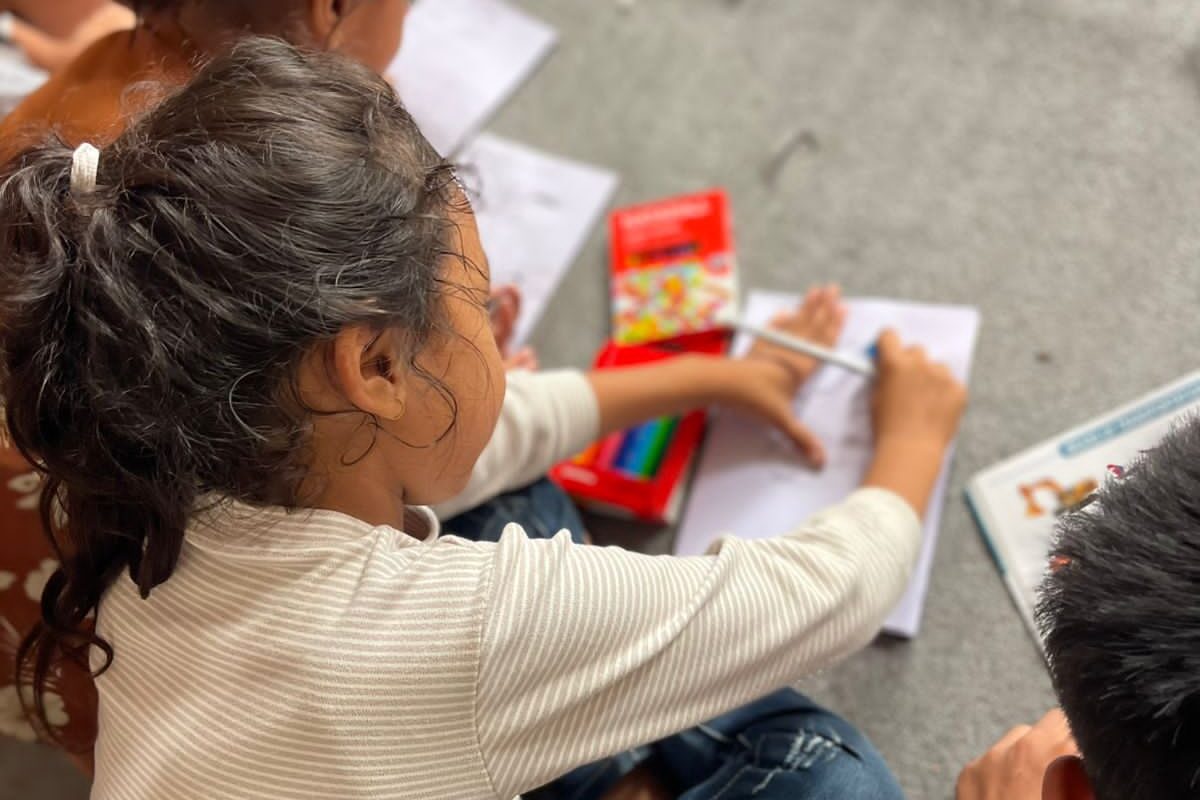
Play may seem like a small thing in such a huge disaster. But for a child in crisis, a ball, a few crayons and an adult who has time can be the first step back to safety and everyday life.
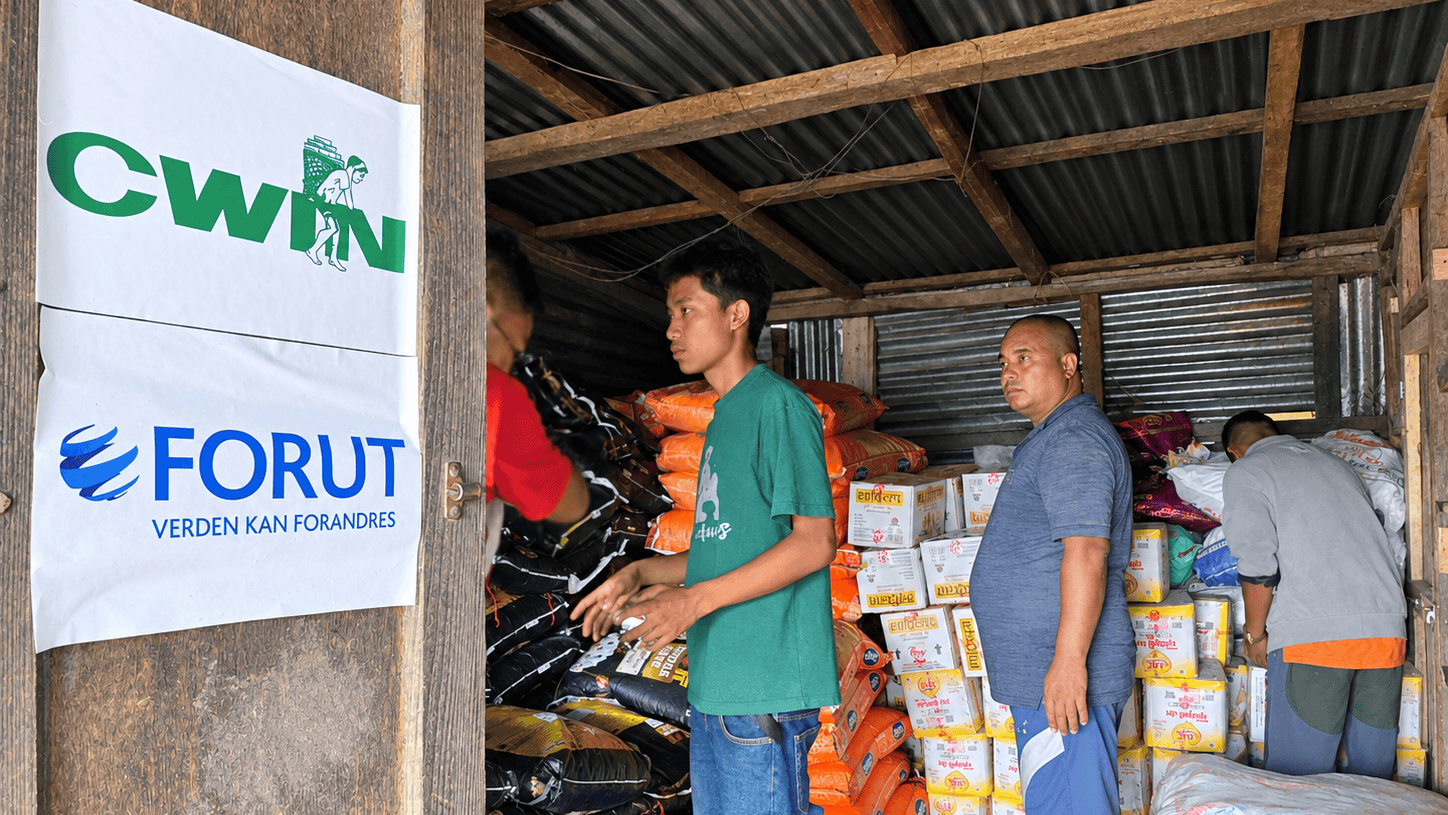
FORUT and CWIN are providing psychosocial support and emergency relief after the flood disaster. Photo: Ramita Chhuju, CWIN
The system was already in place
There is a history behind how quickly the psychosocial support reached those in need.
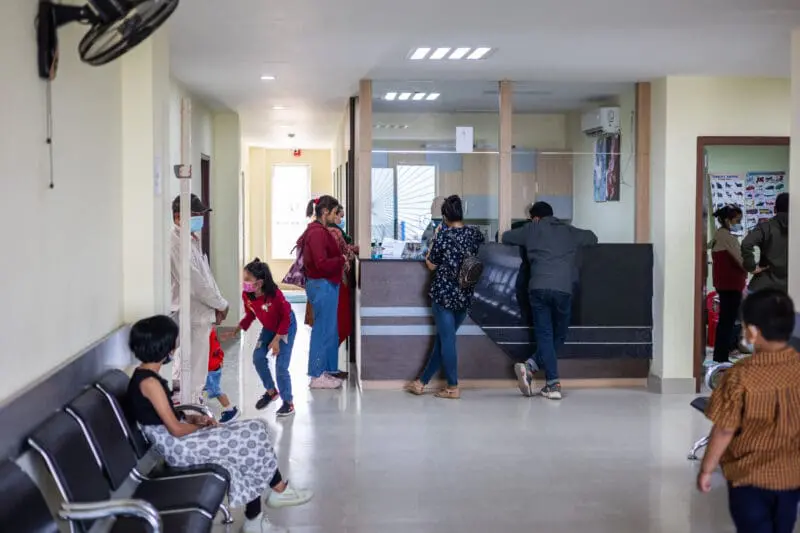
When the earthquake struck Nepal in 2015, there were no child psychiatric services in the public health system. CWIN recruited the country’s first child psychiatrist to a small room at Kanti Children’s Hospital in Kathmandu, with support from FORUT, Norwegian professionals and Norwegian donors.
Eleven years later, there are clinic buildings, a broad professional community at two public hospitals in Kathmandu, and more expertise out in the districts.
Over the past year, this work has taken a major step forward. Nepal’s Ministry of Health and Population has signed an agreement to gradually take over financial responsibility for the child psychiatric unit at Kanti Children’s Hospital and the adolescent ward at Mental Hospital Lagankhel. The handover began on 16 July and is to be completed by 15 July 2028.
The professionals, the knowledge and the systems were therefore already in place when the flood came. At the same time, the authorities now view crises differently than before: mental health is considered a basic need, on a par with food and medicine.
«The need right now is psychosocial support. That is what we have been observing,» says Ghanashyam Rai.
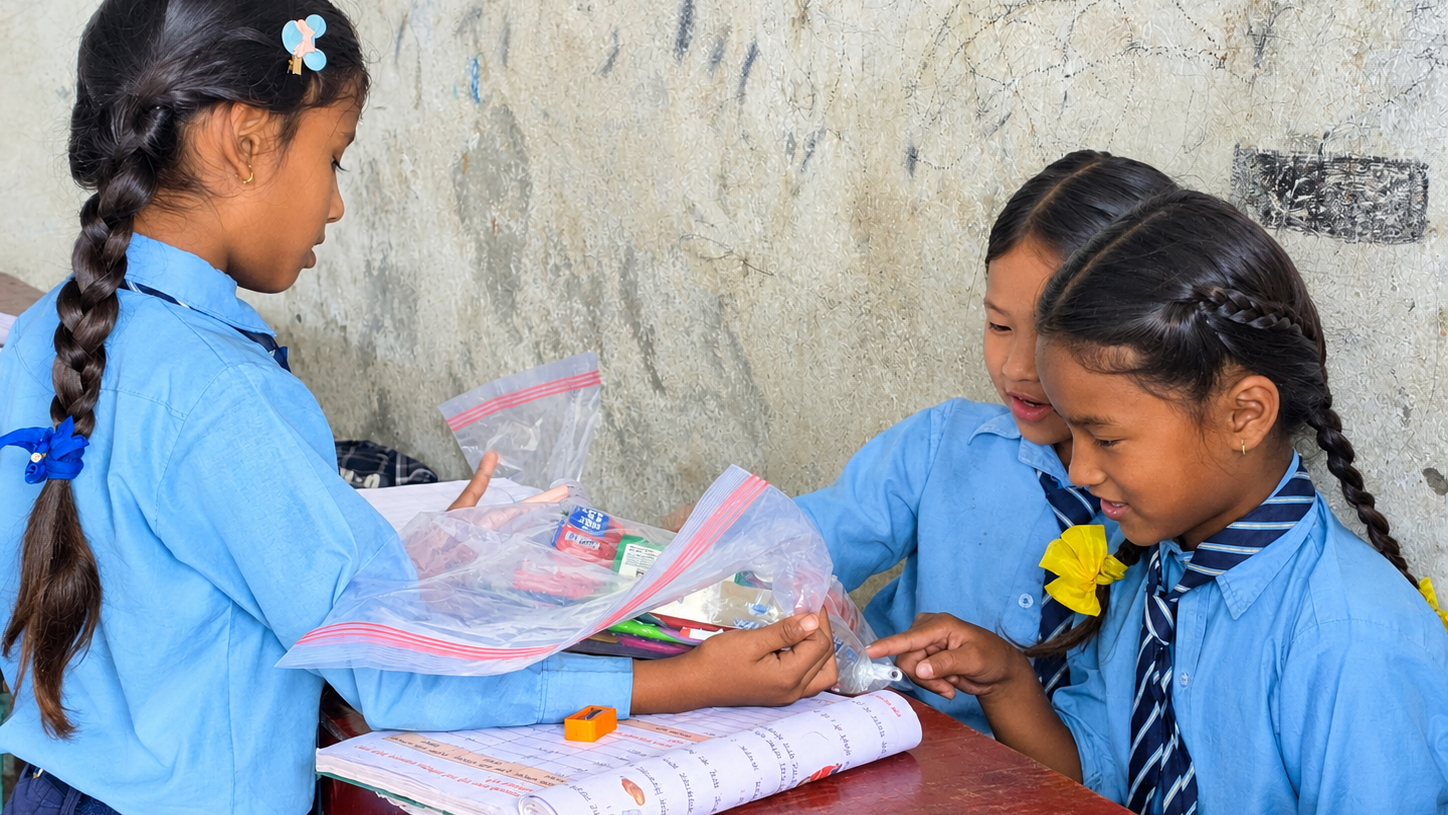
Girls recieving dignity kits. Photo: Ramita Chhuju, CWIN