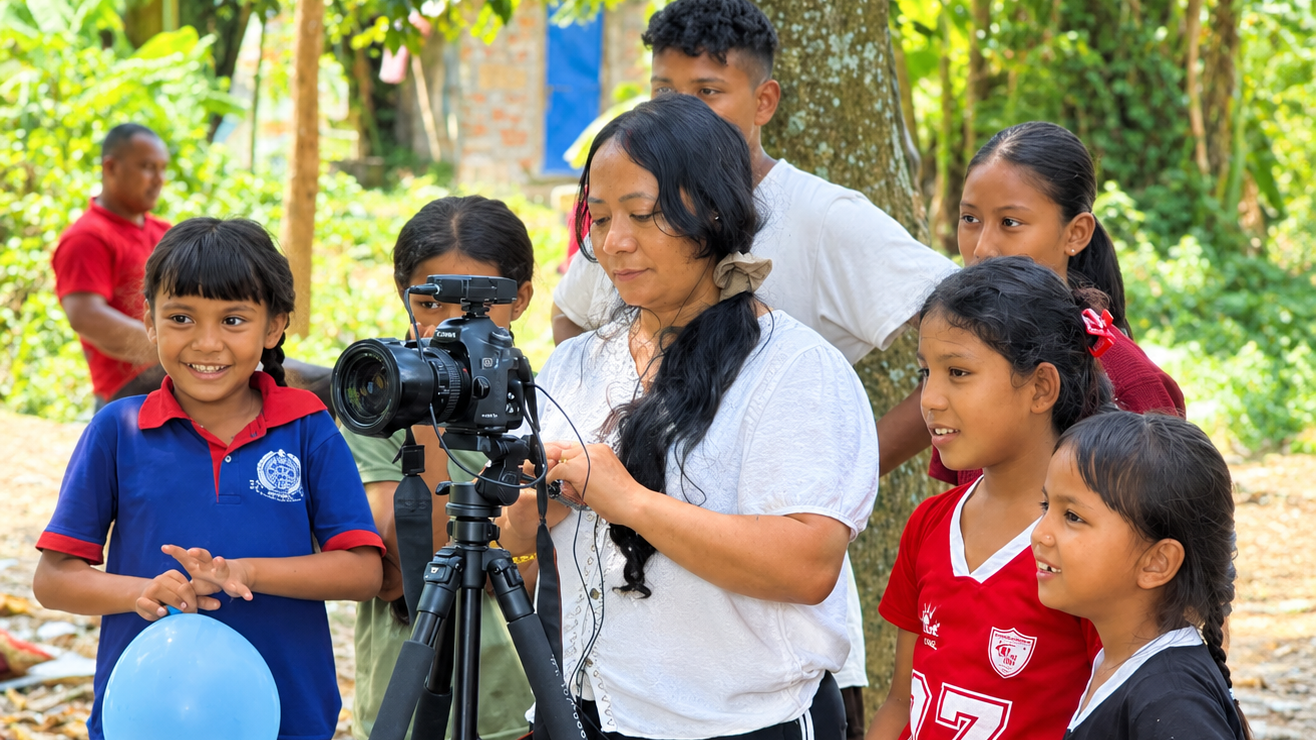
«Some moments were captured by my camera, and some voices became part of the documentation. But there were other moments that no camera could ever capture—moments that will remain permanently etched in my heart.»
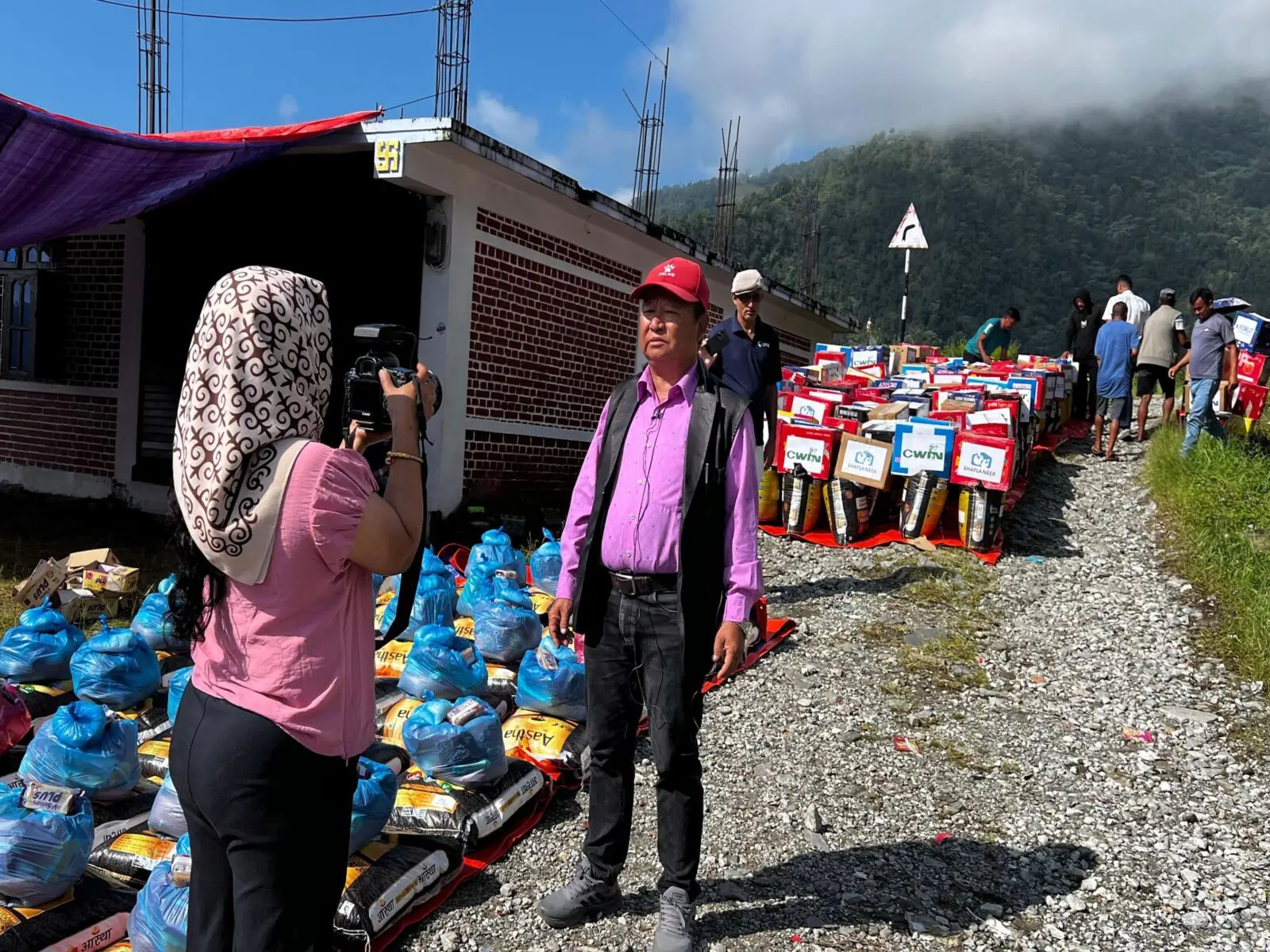
Ramita Chhuju is a photojournalist working for CWIN, FORUTs partner organization. Following the floods in Nepal in August, she traveled to the hardest-hit areas. This is her story.
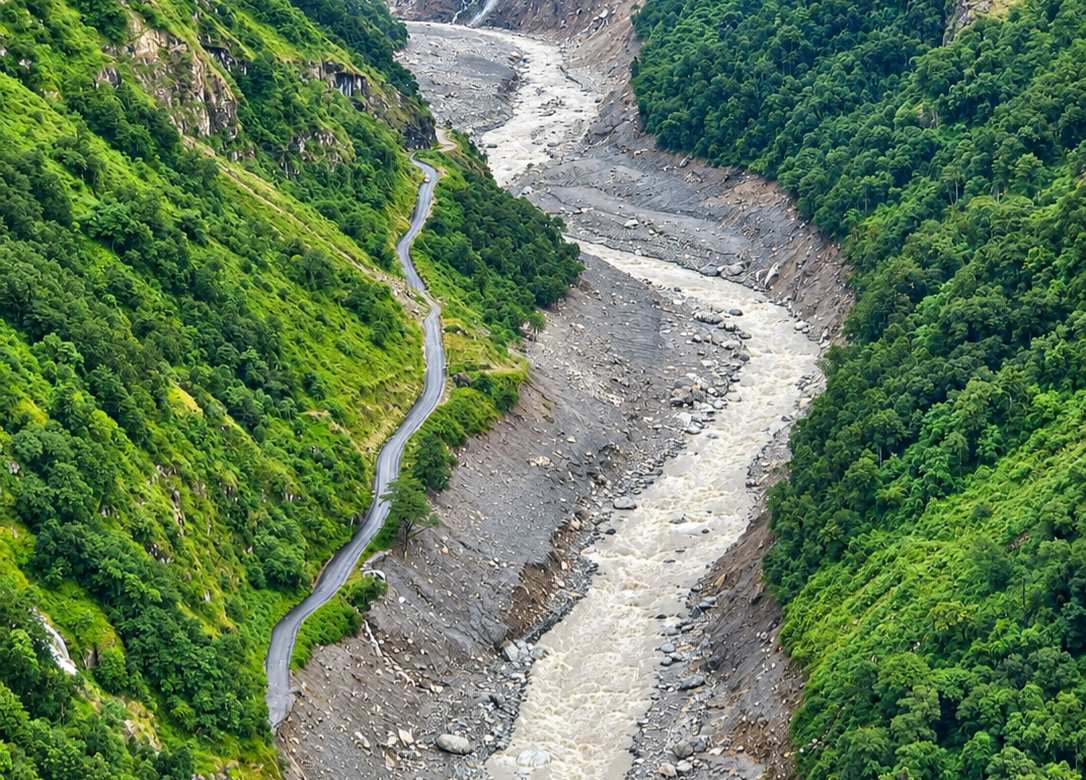
On August 26, 2026 (Bhadra 10, 2083 B.S.), a sudden, devastating flood originating in the Tibet region of China caused extensive loss of life and property along the Bhotekoshi River area in the Rasuwa District of Bagmati Province, Nepal. The torrents severely impacted settlements across Rasuwa, Dhading, Nuwakot, the Trishuli area, and surrounding regions. In the days that followed, I traveled through Dhading, Rasuwa, Dhunche, Betravati, Nuwakot, and Trishuli, pushing onward into the remote settlements of Uttargaya. This journey was not just about documenting rescue and relief efforts; it gave me a firsthand window into intense human suffering, the hidden challenges of child protection, and the systemic difficulties plaguing disaster coordination and relief management.
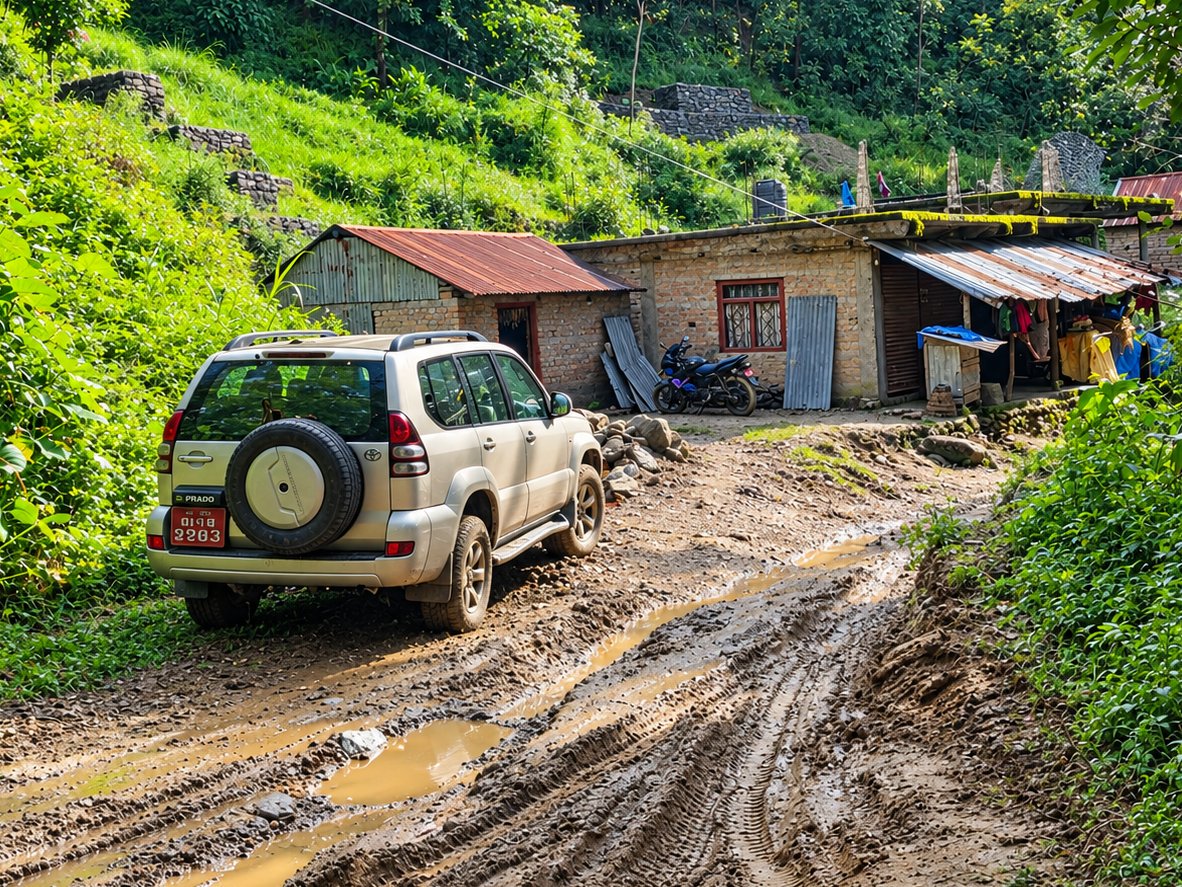
The biggest challenge was reaching the flood-affected areas, as the journey was extremely difficult and challenging. It took us approximately 14 hours to reach Dhunche and Uttargaya in Rasuwa. The road conditions were very poor – extremely rough, muddy, narrow, and difficult to navigate. The transportation cost alone for sending a single small vehicle loaded with relief materials was significantly higher than the actual value of the relief supplies.
For the first time in my life, I felt the need to turn on my mobile location while traveling because the journey was so terrifying and daunting. It was an incredibly difficult and challenging experience.
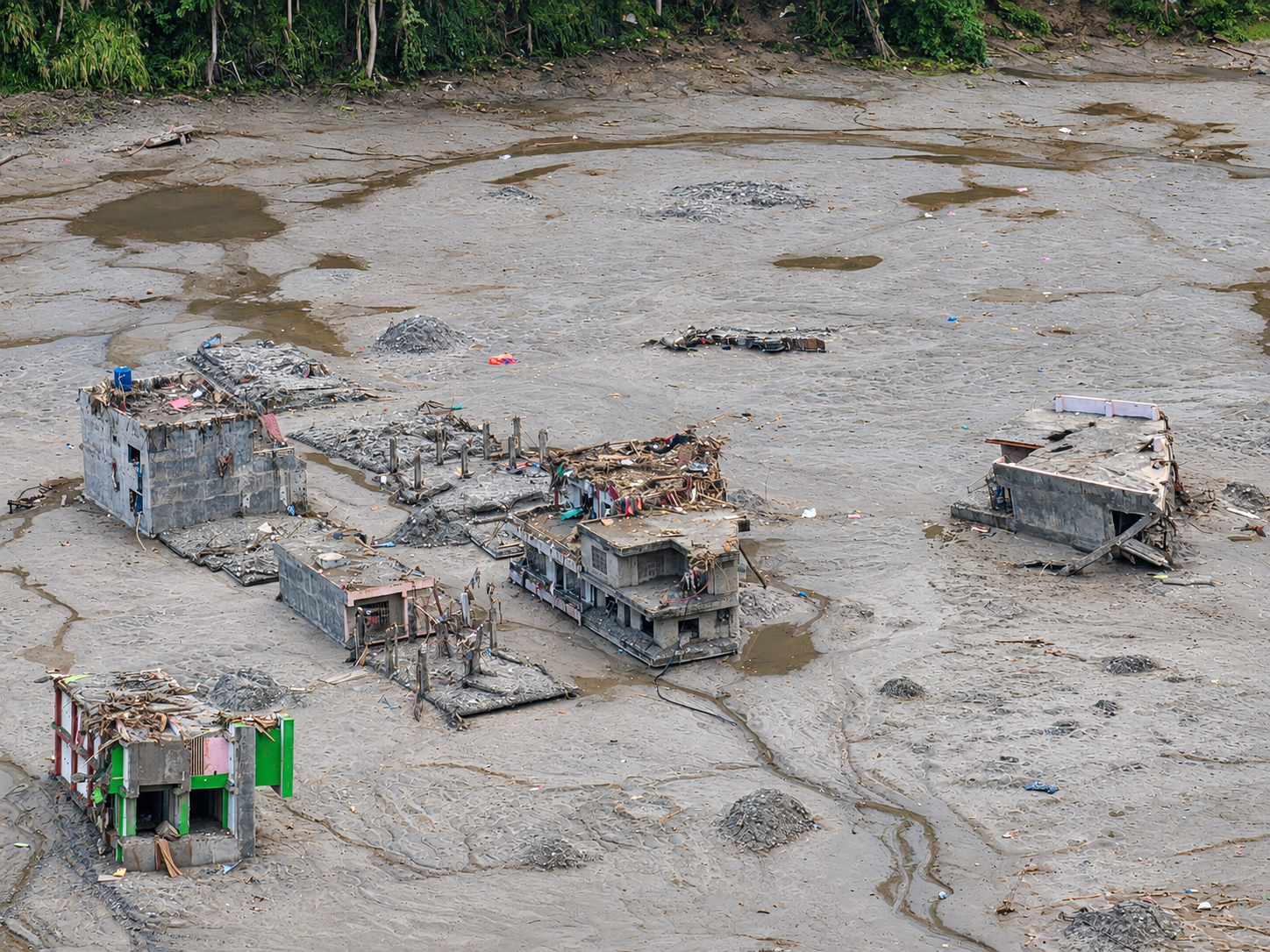
Witnessing the Destruction in Dhading
When I arrived in Dhading, I found several schools buried under thick mud and flood debris. A significant portion of Bageshwori School was submerged in sludge. The school grounds, which once echoed with the laughter and energy of children, now bore the deep, silent scars of destruction. A teacher shared that the flood had struck precisely during their morning prayer assembly, but the staff managed to rush the children to safety just in time. Her harrowing account highlighted a powerful reality: a single, timely decision during a disaster can save hundreds of lives.
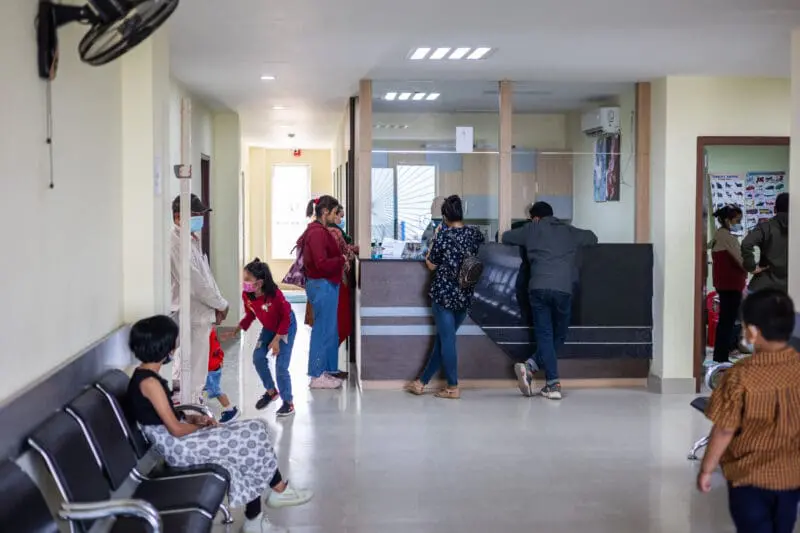
Trishuli Hospital had also been heavily affected. Witnessing a hospital – a sanctuary dedicated to healing and saving lives – fall victim to the disaster itself was deeply painful. It brought to light how fragile essential healthcare services can become during a large-scale emergency.
The Search for Missing Loved Ones
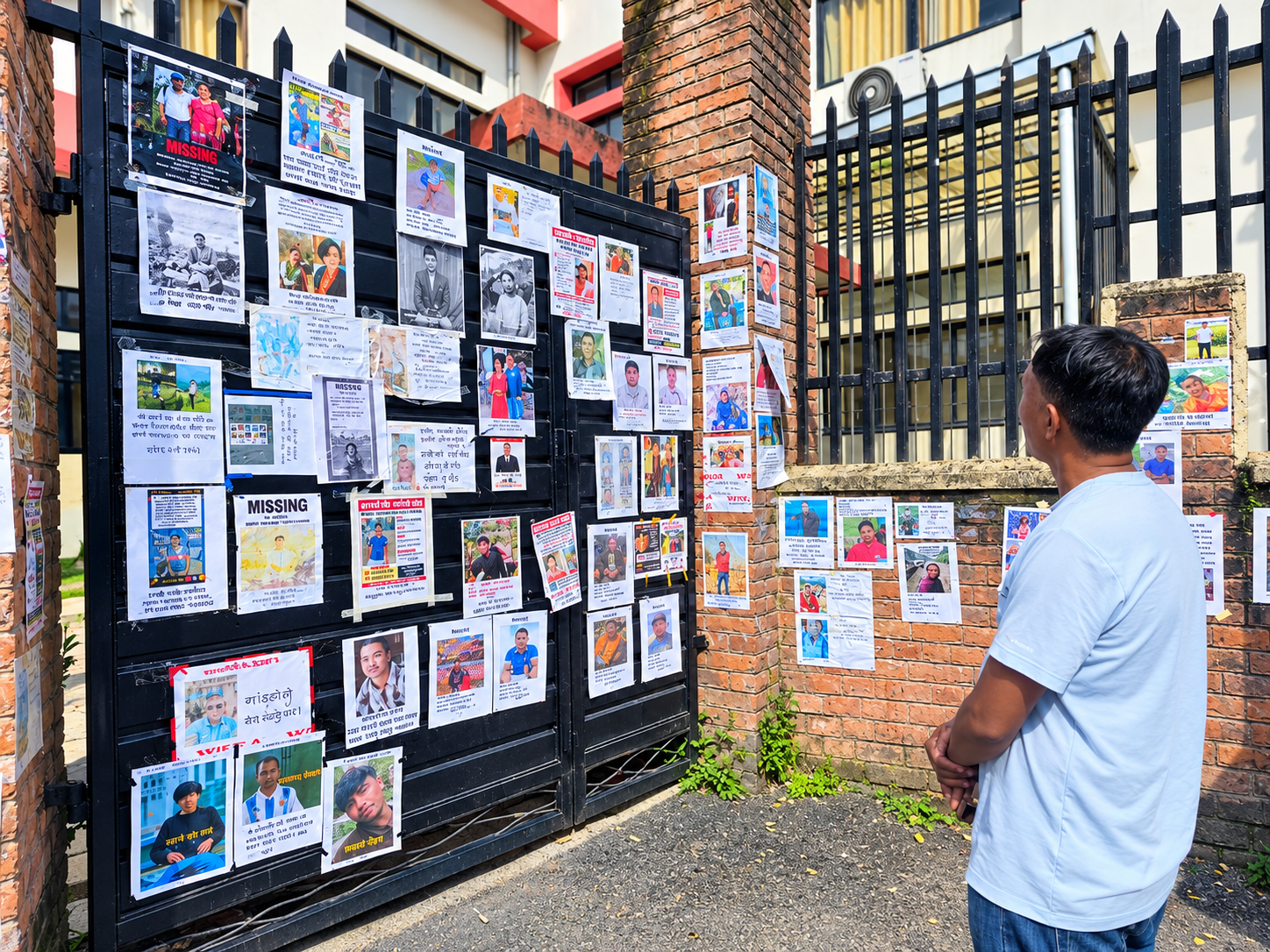
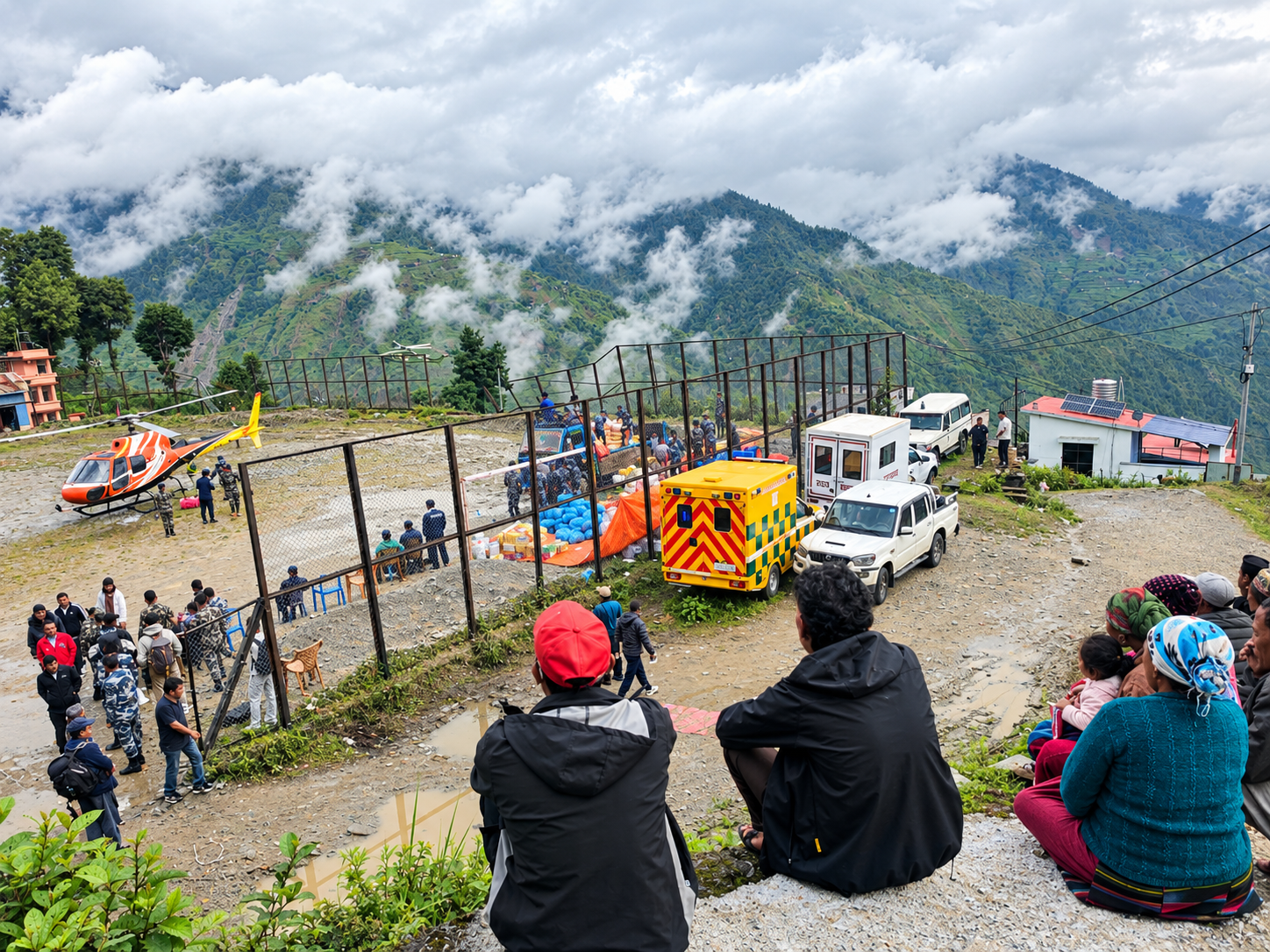
Reaching Dhunche in Rasuwa, I watched helicopters flying back and forth, transporting relief materials and executing emergency rescue operations. However, a parallel scene at the Teaching Hospital in Kathmandu left an even deeper impression on me. The hallways were filled with people carrying photographs of missing family members, desperately pleading for information.
I watched a young man break down in tears as he taped up photos of his two missing sisters. Seeing his raw pain, I could not bring myself to raise my camera. At that moment, the human being mattered far more than the photograph, and the suffering was simply too deep to document.
At the Teaching Hospital, I encountered another heartbreaking scenario. Families searching for relatives rescued by helicopter from Dhunche had repeatedly contacted roughly 15 different individuals and response organizations. Yet, despite their exhaustive efforts, no one could tell them where the evacuees had been taken. The helplessness and agony of facing that information vacuum deeply affected me.
Challenges Beyond the Rescue
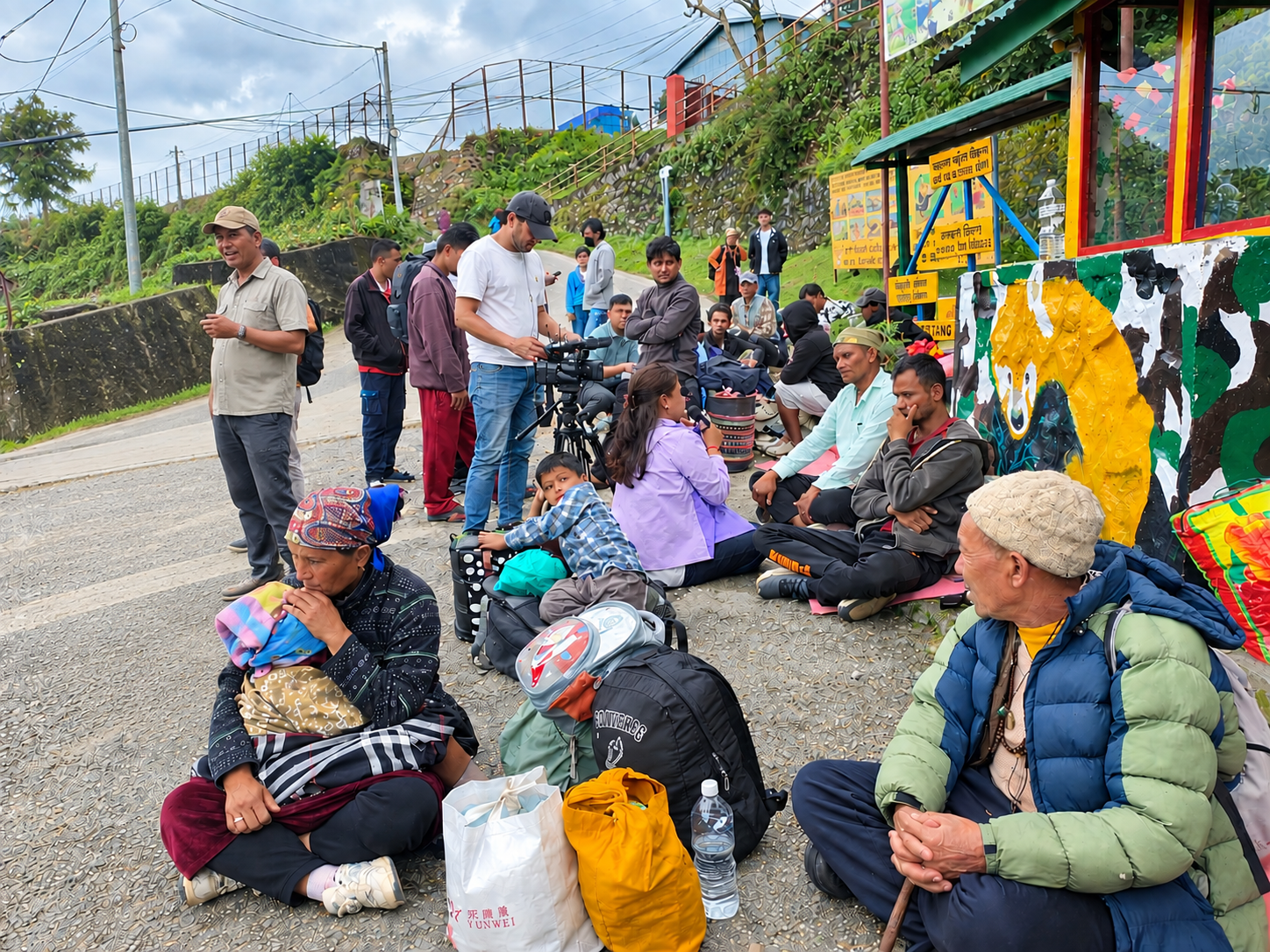
In Dhunche, the logistical challenges of transitioning rescued people to safe destinations became glaringly obvious. I met families who had traveled long distances under harrowing conditions just to identify the bodies of their deceased relatives, only to find themselves stranded because return transportation services had been abruptly suspended. These interactions reinforced an important truth: during a disaster, the initial rescue is only half the battle. Transportation, proper accommodation, reliable information flow, and post-rescue coordination are equally life-saving.
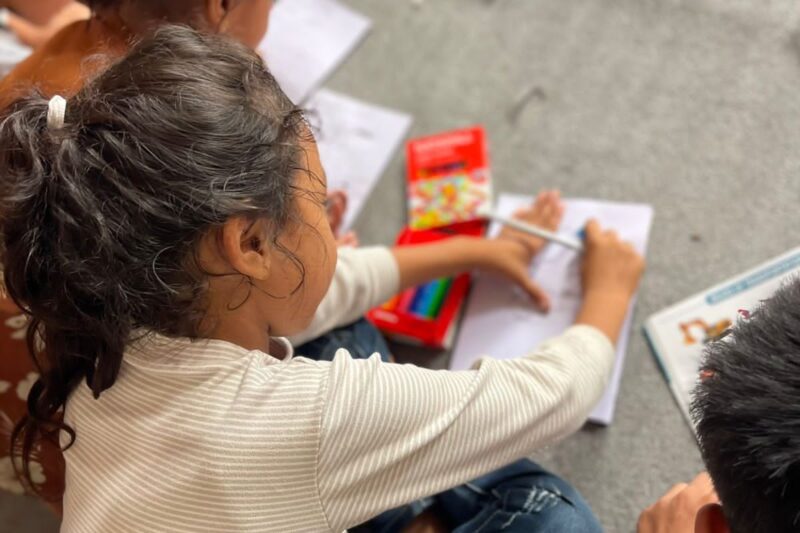
The situation facing displaced children was even more critical. While some children were safely housed in temporary shelters, there was a noticeable lack of coordinated tracking to reunite them with their families. Keeping children physically safe is merely the first step; actively searching for their guardians, facilitating secure reunifications, and providing immediate psychosocial care are just as vital.
Relief Challenges in Remote Settlements
When I finally reached the remote wards of Uttargaya, the logistical realities of relief distribution became stark. Blocked roads and collapsed pathways completely cut off certain pockets, leaving vulnerable families facing acute food shortages. I also heard frequent complaints from local residents regarding the lack of equity and transparency in how aid was being handed out. These experiences made it clear that simply having relief materials in stock is insufficient. What matters most is ensuring that the right support reaches the right people, at the right time, in adequate quantities, and entirely without discrimination.
Protecting the Dignity of Children
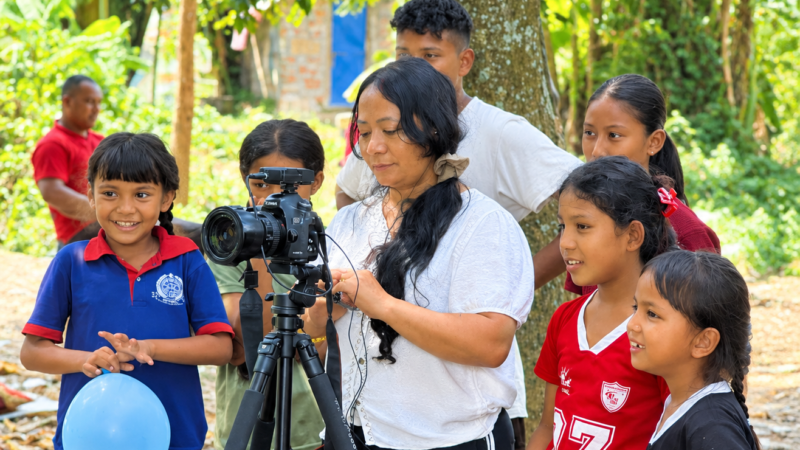
In the temporary shelters set up around the Trishuli area, the safety and privacy of minors emerged as a serious concern. During humanitarian crises, taking photographs or recording videos of children demands extreme ethical caution to protect their dignity and safety. Through this journey, my understanding of this responsibility deepened. When sharing the stories of disaster-affected populations, their consent, privacy, and emotional well-being must always take precedence over a compelling shot.
My Experience as a journalist
Traveling as a photojournalist, videographer, and staff member of CWIN Nepal, I had the privilege of entering the flood-affected zones to document the emergency response. Throughout the journey, I captured countless photos, recorded hours of footage, and listened to heartbreaking personal testimonies.
Yet, for every moment I recorded, there were others I could have filmed but consciously chose not to out of respect for human grief. Some people had lost their entire families; others had lost their children. I saw individuals wandering aimlessly, desperately searching for any sign of their parents or relatives. In those spaces, lifting a camera felt like an intrusion. Those scenes could not be captured through a lens; instead, they became permanently etched in my mind.
The Lesson of the Journey
This journey taught me a profound lesson: Not every moment of human suffering needs to be treated as content for a camera. Sometimes, putting the lens down and simply holding the hand of someone in pain is the highest act of humanity.
A flood does not merely wash away physical structures like homes, roads, schools, and hospitals – it tears deep wounds into human lives, relationships, and hopes for the future. Therefore, post-disaster intervention must look beyond material distribution. Seamless coordination, reliable public information, transparent aid delivery, access to isolated communities, strict child protection protocols, and deep human compassion are equally indispensable.
Documenting disasters is vital for raising global awareness, preserving history, and promoting systemic accountability. But humanity must always come first.
«Many moments were captured by my camera, and many voices became part of the public record. But the most profound moments will remain unrecorded, safely kept in my heart forever.»